? Sign in

Events

Filters (2)
Region (matches any selected)
Clear filters

Age of Empire (1855–present)

1874
Politics & Society Player Submission
🔥 1
Ottoman Empire flag

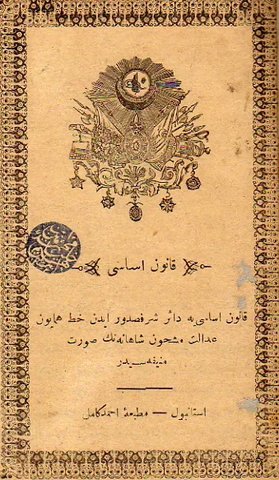
The First Ottoman Constitution, Penned this 4th of January, 1874

The Sultan announces the first-ever elections to be held in the Ottoman Empire, and the declaration of a National Constitution. He has willingly given up his authority over almost all of the functions of the state to the Newly-Elected Chancellor Cevdet Ankuap, now appointed as Grand Vizier.

1866
Politics & Society Player Submission
🔥 0
Ottoman Empire flag

The Order to Abolish Slavery Within the Ottoman Empire

Five years ago, the Ottoman Empire began debating the final abolition of Slavery - after 15 years prior having restricted the import of new slaves. The Council has been unable to come to a reasonable conclusion after all this time, and the Sultan will remind them of who they really work for.

1862
Economy Player Submission
🔥 0
Bukhara flag Persia flag Great Britain flag

Anjuman-e Damdārān-e Bukhārā Established in Bukhārā

Following rapid economic reforms over the past ten years, the Emīr has begrudgingly embraced the new economy and permitted the formation of the Emīrate's first corporation: the Anjuman-e Damdārān-e Bukhārā.

1856
Politics & SocietyDiplomacy Player Submission
🔥 0
Ottoman Empire flag Egypt flag

The Completion of the Tanzimat Reforms

The Tanzimat Reforms completed - A Sick Man no longer! What had originally begun with the Gülhane Edict of 1836 as an attempt to preserve the imperial state through administrative reform, has become a near-complete reorganization of Ottoman political, legal, and social life.

Springtime of the Peoples (1846–1854)

1854
Politics & SocietyWar Player Submission
🔥 0
Serbia flag Ottoman Empire flag Egypt flag

Reeling from Shock

Ascension of the tuberculosis having Milan to the Serbian throne; the heir Mihailo provides a light at the end of the tunnel despite the dark times signalled by war with Egypt.

Politics & Society Player Submission
🔥 1
Egypt flag

A New Dawn on the Nile

The Modernization Movement undermines the Landowners in Egypt, and forces a resignation of a landowning slaver.

Politics & Society Player Submission
🔥 1
Egypt flag Ottoman Empire flag

On the status of Egypt

An Intelligentsia agitator publishes a nationalist, anti-Caliph editorial in an Egyptian Newspaper.

DiplomacyWar Player Submission
🔥 0
Persia flag

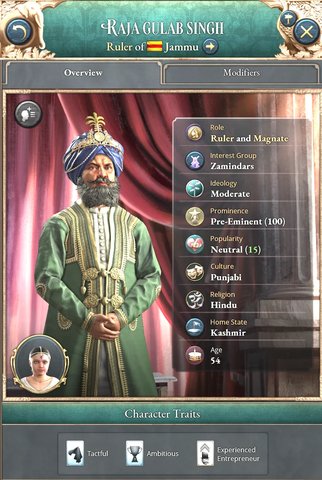
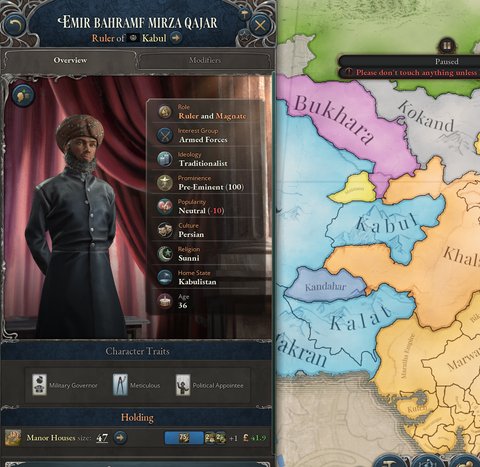
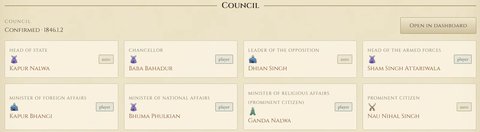
The Khalsa Raj formally denounces the Persian reestablisment of the illegitimate entity of Kabul as a breach of Sikh-Persian previous deals and relations and retires his ambassador from Persia.

The Khalsa Raj's Rajah Kapur Nalwa considers unacceptable the creation of a Pashtun entity named Kabul, criticizes Persian leniency towards Pashtuns and repudiates the breach of previous Sikh-Persian deals, warning them that this will only lead to a worsening Sikh's relation with Persia.

The Long Thaw (1836–1845)

Order is restored, and Europe finds itself in a tense peace. But time marches forward, and with it, so does industry.

1843
Major Politics & Society
🔥 2
Persia flag

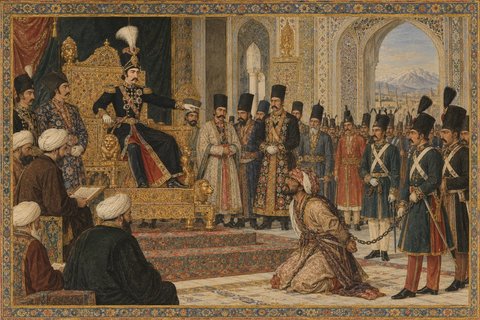
The Judgement of Kamran Durrani

The Hall of the Golestan Palace fell silent as Kamran Durrani, chained and guarded, was brought before the Sun Throne. The former ruler of Herat had already faced the Sharia courts of Tehran.

1842
WarPolitics & Society
🔥 1
Persia flag Bukhara flag

The Captive of Herat

In which the traitor, Kamran Durrani, who had escaped justice from the slighted Abbas Mirza, is brought before Shah Mohammad Qajar by the Shah's brother, Bahram Mirza.

1841
War Player Submission
🔥 0
Marathas flag Great Britain flag Raj flag Mysore flag

The 5th Anglo-Maratha War

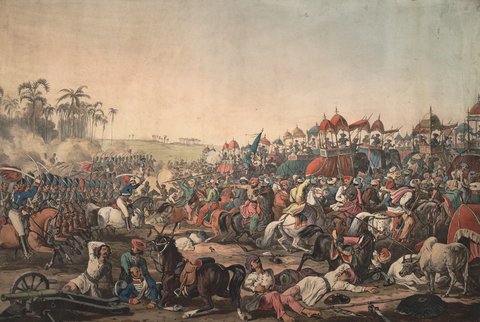
This article consists of a compilation of events and battles of the British war against the Marathas.

Major WarDiplomacy Player Submission
🔥 2
Russia flag Great Britain flag Persia flag Ottoman Empire flag Bukhara flag

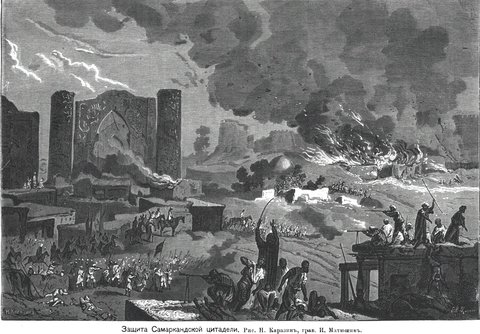
The Bukaran War 1840-1842

After the execution of Kenesary Khan and his attempted uprising, the Russian Tsardom pushed to project power down south into Turkestan. What the Tsar believed to be a quick incursion into Central Asia was met with logistic issues and intervention from the Ottoman Empire and the British.

WarDiplomacy Player Submission
🔥 1
Marathas flag

The road to war is paved with sabre-rattling declarations.

The Maratha's Emperor presents Khalsa Raj ruler, Ranjit Sindh, with a dilemma, pick between an awful deal in which Khalsa Raj accepts Maratha's control over Sindh, or the sword. Raja Sindh accepts neither and proposes a trial by combat (ruler vs ruler) between the rulers of both nations, war breaks.

Politics & Society Player Submission
🔥 0

Troubles in the Government of the Khalsa Raj confirmed

Tensions are boiling high in the Khalsa Raj Cabinet after the Economic advisor to the Raj, Nawab Kunwar -supported and sponsored by Dhian Singh-, has decided to press for economic reforms to abandon the Traditional economy of the Khalsa Raj in favour of an Interventionist and Protectionist agenda.

The Shattered Congress (1814–1835)

Napoleon has lost, but the peace is shattered as former allies take up arms against each other.

1835
War Player Submission
🔥 1
Persia flag Bukhara flag

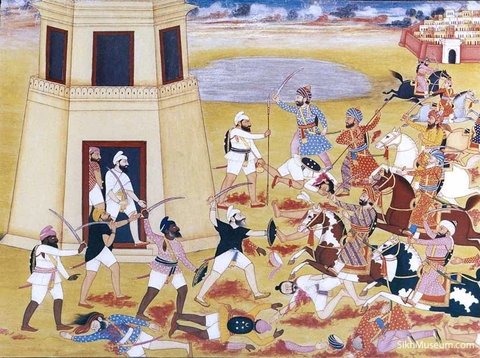
Kabul soldiers raid the border with the Khalsa Raj and reach Jamrud

Pasthun soldiers from Kabul have been conducting raids on the border with the Khalsa Raj, close to Jamrud, motivated by Durrani empire revivalism and Sunni yihadism. The Khalsa Raj government, lead by Ranjit Sindh, has declared the hostilities as "intolerable".

1834
Politics & Society
🔥 1

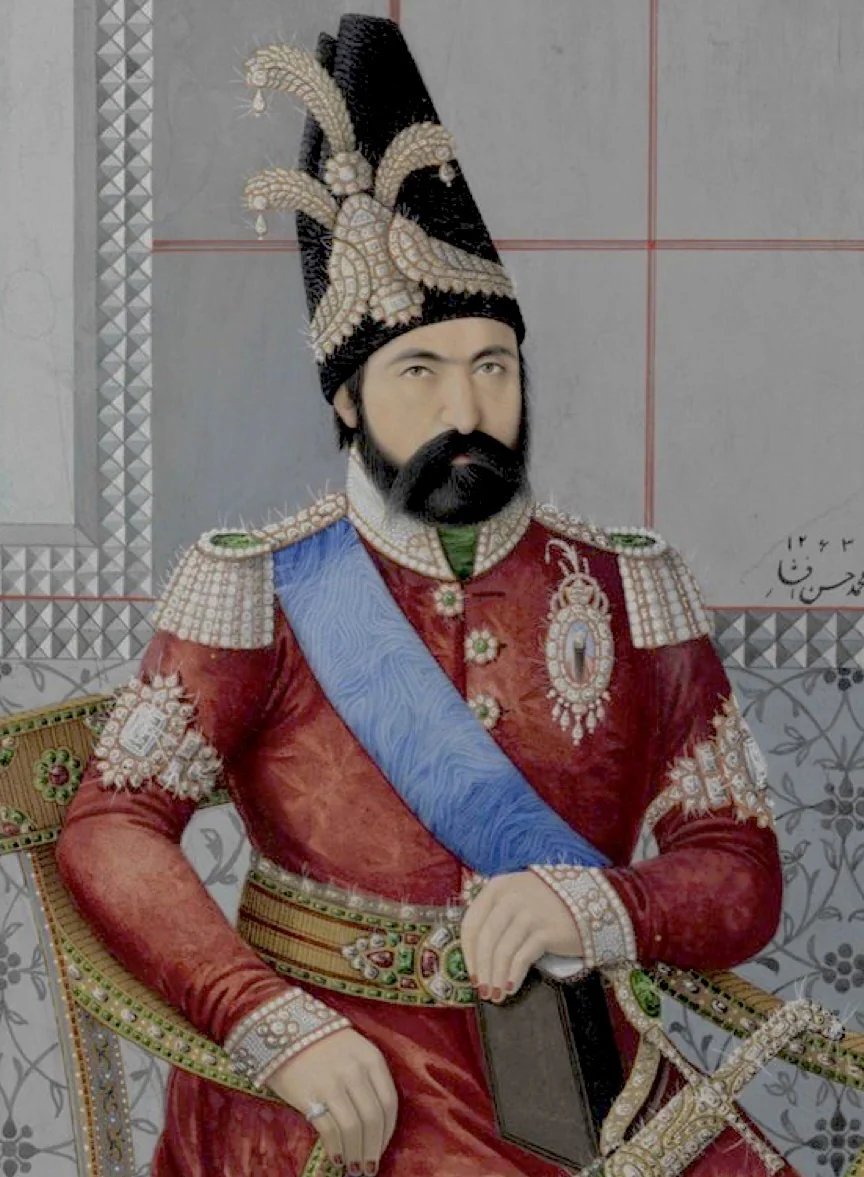
The Passing of Fath-Ali Shah and Accession of Mohammad Shah

Tehran, October 1834 · The Shattered Congress

Tarikh-e No (New History), A History of the Qajar

Middle East, Central Asia & South Asia Persia flagPersia
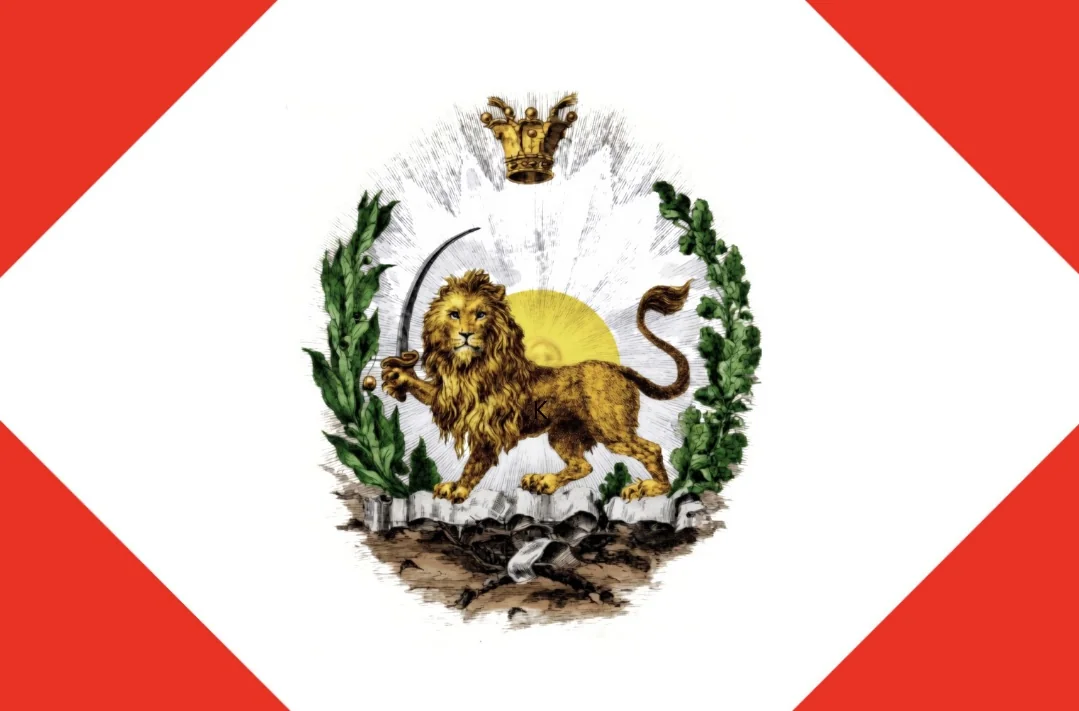
In the month of October 1834, sorrow descended upon the Guarded Domains of Iran. His Imperial Majesty Fath-Ali Shah Qajar, Shahanshah-e Iran, whose reign had endured for seven-and-thirty years, was afflicted by a sudden illness. Though the physicians of the Court attended constantly upon his person, his strength departed swiftly, and the sovereign entrusted his soul to Almighty God.

Thus passed our grandfather, who had inherited a throne endangered by disorder and had preserved the Qajar Crown through years of war and uncertainty. The mosques offered prayers for his soul, while mourning was proclaimed throughout Tehran and the provinces.

Yet Iran could not remain without its Shahanshah.

By the decree issued by Fath-Ali Shah upon the Night of Wishes in the previous year, my elder brother, Mohammad Mirza, had already been proclaimed Crown Prince and Commander of the Royal Armies. His right of succession rested also upon the honoured memory of our father, the late Abbās Mīrzā, whose labours had created the Nezam-e Jadid and restored the strength of Iran.

The princes of the Royal House, the ministers of the Divan, the commanders of the army and the learned ulama therefore recognised Mohammad Mirza as sovereign.

He ascended the Peacock Throne as Mohammad Shah Qajar, third ruler of our dynasty.

The soldiers who had followed him through Ghourian, Herat and Merv now stood guard in Tehran. Their presence ensured tranquillity whilst messengers carried news of the accession throughout the Guarded Domains. From Khorasan to Azerbaijan, governors received the command that the khuṭba should be pronounced and the sikka struck in the name of the new Shah.

I saw my brother upon the throne that day. He was not yet thirty, but war had already given gravity to his countenance.

The work begun by our father had passed into his hands. Iran had gained a new Shah, and Mohammad Shah intended that the restoration of its strength should not cease with his accession.