Economy
Player Submission
🔥 0
San Salvador, 1864 · Age of Empire
El Iris Salvadoreño
By player
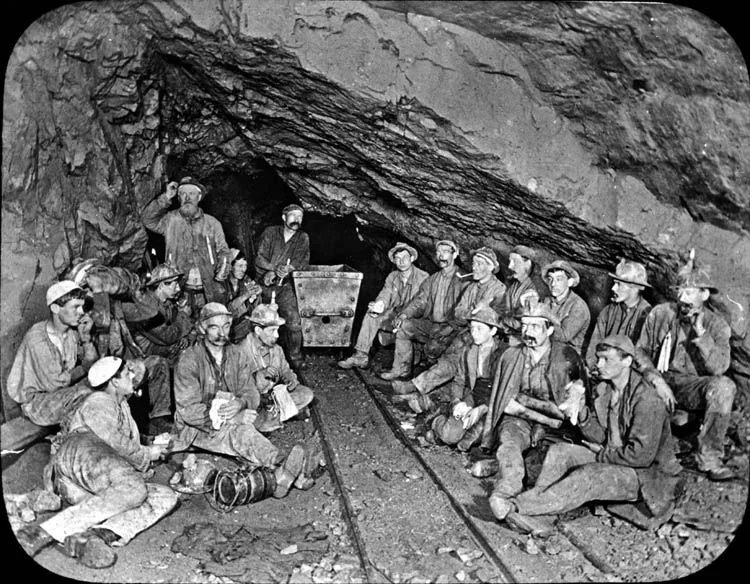
The Barrios Brothers' administration can count much among its successes. Central America has better relations with its neighbors than ever before, every other man can read and write at a professional level, and modern factories sit proud and efficient within the federation's great jungles. There is one major point of contention, though, if you ask the common man: all this progression does not seem to be reflecting back to the people.
The average man struggles to even afford as good a meal as he did the year before, and Central America's standard of living continues to slip further and further down, left behind states like Bolivia and Ecuador. How can this be possible, wonders the working man? The newspaper, now free from direct presidential interference, tells us every day about the increasing Central American GDP, the ever-soaring GDP per capita, the flourishing domestic companies. Why does it feel like Central America is getting poorer?
Powerful and learned men have all kinds of opinions on the matter. "The impressment of the farmer, the laborer, the man who works with his hands - if we are to be a nation where one can live not just proud, but well, this injustice must end!" Says the leader of the congressional land reform faction, José Francisco Fernández. The land reform faction has seen a swelling of membership these past few years, supported by the church and intellectual aspirants like Francisco Terán. The vice president has a different view. "The issue is one of distribution. We must continue to emulate our liberal counterpoints in Europe and prepare for the establishment of a health services department. Only then will food find its way into our good workers' hands." Said the senior Barrios in a speech to congress. A minority faction led by congressman Montes has yet another view. "The issue is the imbalance in our economy! We have grown to willing to import basic goods to produce advanced machinery, but at the cost our own peoples' livelihood! Why in God's name should we be importing cotton when it grows right here in our own country!?"
With no clearly favored approach surfacing, it remains to be seen when, or indeed if, the junior Barrios will come to a solution. Until such a time, the specialized economic sectors of Central America will continue to fail its most at-risk citizens. Conditions in the administrative center of El Salvador, the industrial sector of Guatemala, and the underdeveloped Costa Rica remain particularly poor. What can be done about all the country's wealth concentrating in the hands of the rich?
























 Central America