Below is reproduced the speech given by President Coutinho to the Assembly of Gentlemen Deputies earlier today, on the occasion of the publication by Denmark-Norway of the Treaty of Copenhagen;
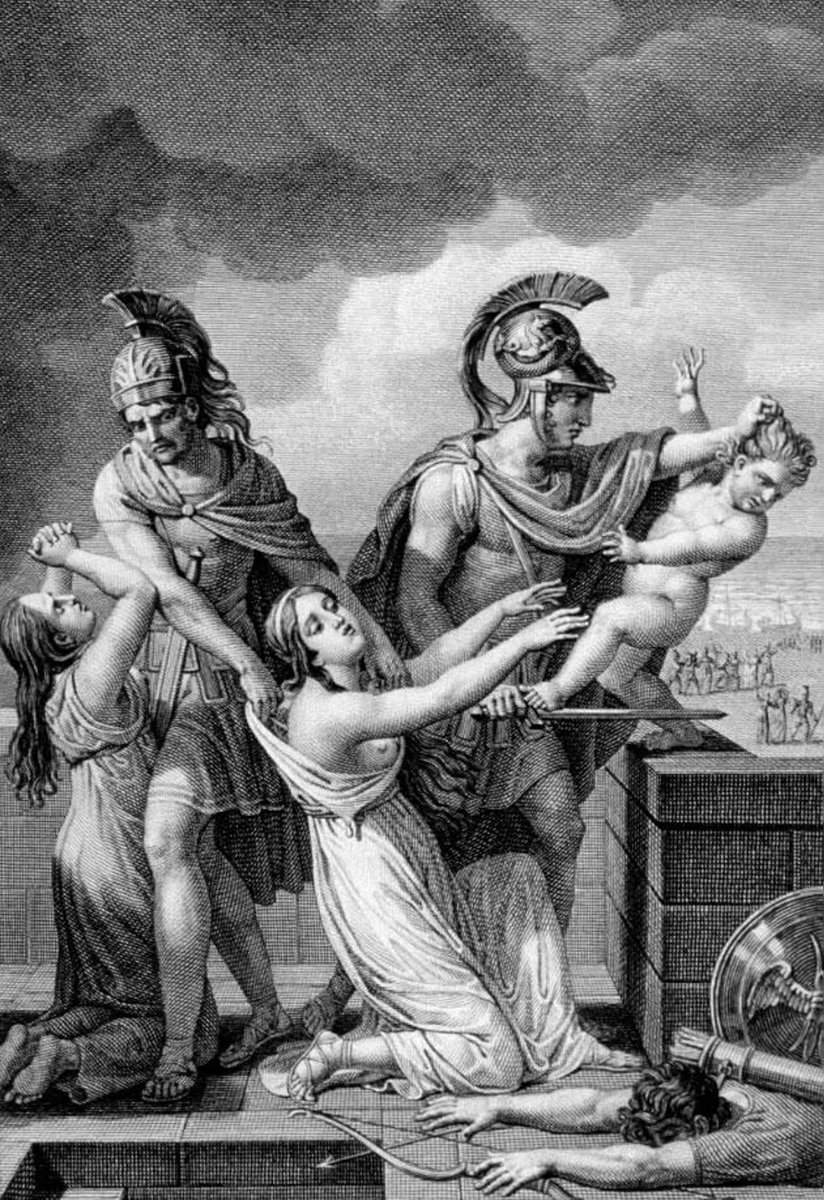
"Some 2,500 years ago, the Athenian Empire demanded that the neutral Melos, a small island who shared blood with their Spartan enemies, ally with them or be destroyed. Melos refused, and was duly sacked, it's people enslaved. The Athenian envoys are said to have, at this time, declared to the Melians that justice was a matter only between equals, and that between superior and inferior, the strong do what they will, and the weak suffer what they must.
"Some weeks ago, the British, our allies, intruded upon a summit to which they had not been invited, demanding that we abrogate all treaties with the Spanish and declaring that, should we not, they would join the Austrians in war against us. They did little to justify themselves, as most of you will have read, save point to a letter which did not mention Portugal at all, nor even supported their claims. They refused to reason, and declared in response to requests for evidence that they were not in a court of law - that justice did not apply, only their whims.
"To some, the story of Melos ends with it's destruction. It is proof that the world is one of anarchy, of injustice and barbarism, where the strong take all with no need for reason or right. Certainly, such was true of the ancient world. But we live in a more civilized time, or did; one in which we recognize each other as Christian and European brothers, where wars must be just and have reason, where contracts and oaths are honored. Europe has spread that civilization, and the peace and dignity it entails, to all corners of the world, to their benefit.
"But the British, the Prussians, the Danes and Russians seem to have discarded those ideals, if they ever believed in them at all. Without reason, without words or diplomacy or even evidence, they declare all Iberia a threat to that civilization, in an act totally contrary to it's very basis. The British, with whom we have dozens of treaties dating back centuries declaring eternal friendship and brotherhood, set sail to destroy us and our friends in the Kongo, and perhaps here in Lisbon. The British do this for raw greed of power, for wounds inflicted to their pride in the Chinese war, for a lust to rule all Africa. They sign their treaty with a power which has admitted to aiding piracy, and remain allied to another which is implicated in their Moroccan letter to the same degree as the Spanish. The rest follow them with hearts unburdened by guilt, eager to curry favor, toll exemptions and scraps for the small price of their dignity as civilized peoples.
"Portugal did not refuse to go along with this because we have special love for the Spanish. They are our allies, but so were the British, for far longer. We do not expect, frankly, the Spanish to aid us, despite their own treaty obligations; the rot in our civilization has not exempted Madrid. We did it for the same reason the Melians did; because we are not vassals, because we are fellow Christians, because we are an ancient state with pride yet. We did it because we respect laws - natural law, Christian law, the law of one's given word, and our own laws. We did it because, unlike those who now abuse it's name, we are civilized, and believe still in civilization, and we are not willing to sacrifice it - not for anyone.
"Perhaps, God-willing, war will be avoided. Perhaps it will not. Perhaps, with the Lord's aid, we shall win it. But perhaps we shall go as Melos did. To some, the lesson of Melos ends with it's destruction. But what happened after Melos was destroyed? Athens reigned another few generation, but the lesson of Melos was not forgotten by her subjects, nor her neighbors. Eventually, she would be destroyed in turn, from within and without. The virtues which had won her her great prosperity had deserted her, or rather she deserted them, and her fortune was soon to follow. The city of Melos exists today; the Empire of Athens does not. I believe in civilization, I believe in God, I believe in justice, and I believe in my fatherland. I will fight for them, and I believe that they will prevail, and that those who forsake them will suffer. And so I say; viva Portugal!"









 Portugal
 Great Britain
 Spanish Republic
 Morocco
 Kalmar Union
 German Empire