Major
Politics & SocietyDiplomacy
🔥 3
January 1st, 1866 · Age of Empire
By player
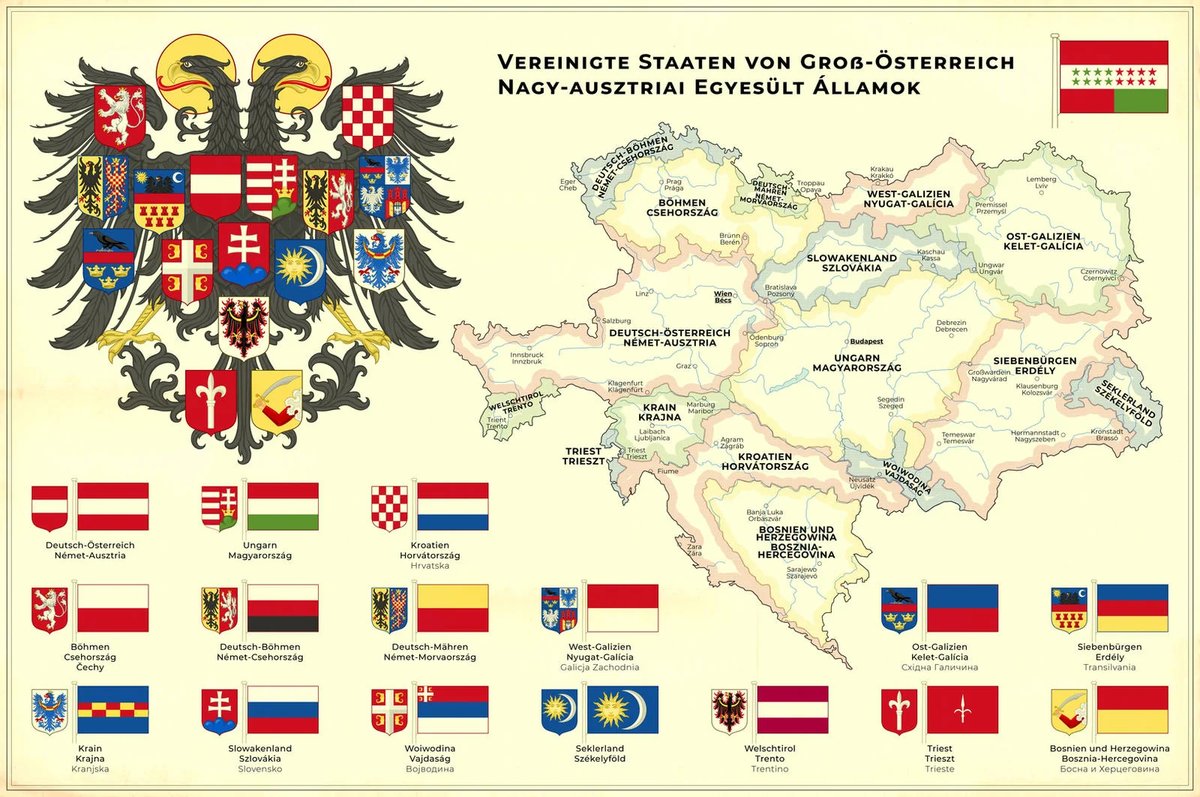
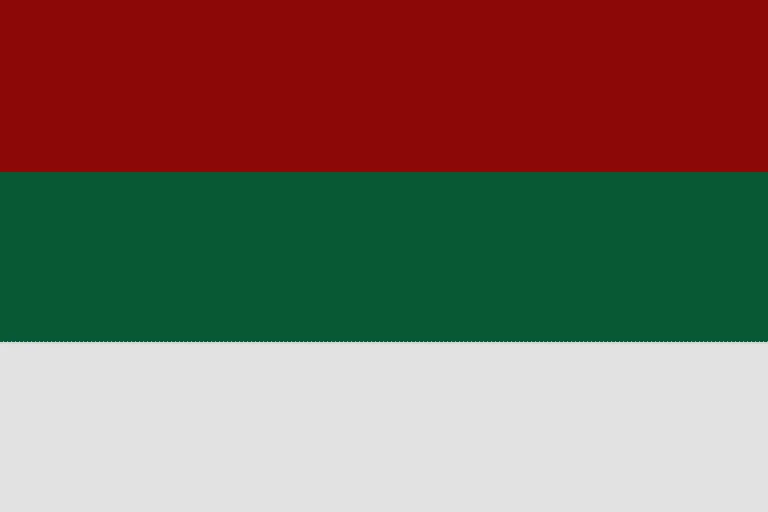
Austria-Hungary-Croatia. The Triple Monarchy. Despite this name, the Austrians and Hungarians, consisting of perhaps around 40% of the population altogether of the Empire, disproportionately control more than three quarters of the political power - government positions are almost exclusively held by the Austrians and Hungarians except in the Kingdom of Croatia and Slavonia.
Only in the Austrian joint army, the Imperial and Royal Army, where merit is rewarded and through one's own ability can a man rise through the ranks, is where one can find diversity and Slavic influence. Command of the three main divisions is jointly split between Field Marshal Karol Skrzynecki, a Pole from Galicia, Serbian Major General Aleksandar Karardordevic, and Brigadier General Borivoj Lichnovsky, a Czech from Moravia.
While the representation of the various ethnic minorities in the Austrian joint army is a good thing, it is simultaneously an alarm bell that it is only the army and specifically the army that these minorities can find any diversity.
In the past decades, multiple advocates of federalization of the Empire in various forms have come and gone. Among them were people like Klemens von Metternich, who proposed it to the Kaiser Francis, having foreseen that nationalism would become a problem of the Empire that needed to be addressed (1815); Wesselenyi Mikos, a Hungarian nobleman who believed that the Empire, which was centralized, should be replaced by a federation of five states: a German state (Austria), Bohemia and Moravia combined as a state (Czechia), Galicia for the Polish state, a state for Italians (Lombardy-Venetia), and a state of Hungary; even Lajos Kossuth, also a famous Hungarian politician and statesmen and known for his radical pro-Hungarian ideas, was said to have privately supported the idea of a Danubian state with autonomous regions. All of these ideas were rejected by the Kaiser at the time, shelved, or never seriously considered or spoken aloud.
The latest proposal, called the "United States of Greater Austria", whose author has not been specifically named currently but is suspected to be Romanian in origin, is being jointly sponsored by the culturally diverse Imperial and Royal Army. It proposes to divide Austria-Hungary-Croatia into several semi-autonomous states divided by ethnic and linguistic lines. Such states include but are not limited to: a German Bohemia and German Moravia, Bohemia itself, West and East Galicia (separate), Slovakia, Transylvania, Lombardy-Venetia, Trent, Trieste, Carniola, etc.
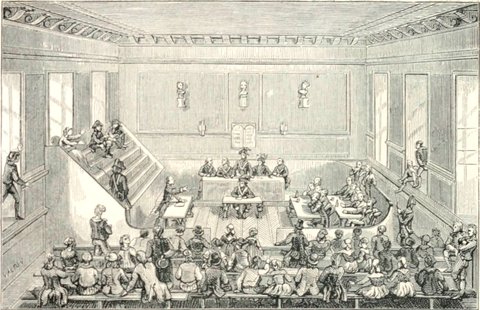
However, it would separate much land and thus power from Hungarian hands. Criticisms and predictions also include that such a proposal would actually destroy the economy, escalate ethnic tensions and resentment, and see the destruction of the kulturbunds that have developed throughout the Empire. Minorities would be pressured to leave or assimilate an area they and their ancestors have lived in their entire lives - even the linguistic cultural borders of this proposal are not solid.
The idea is being fiercely debated, and while certain parts have been accepted, other parts have been rejected entirely on the premise that a better solution must be found in certain regards. It may be that a combination of previous federalization proposals and the current proposal or even new entire ideas must be incorporated in order to satisfy all the parties currently participating fiercely in the Parliament. It may fall to Hungary, Croatia, and Serbia to step forward and help debate or adopt solutions that will finally bring peace to the multiethnic Empire. Until then, the work continues.
May God Bless the Triple Monarchy.








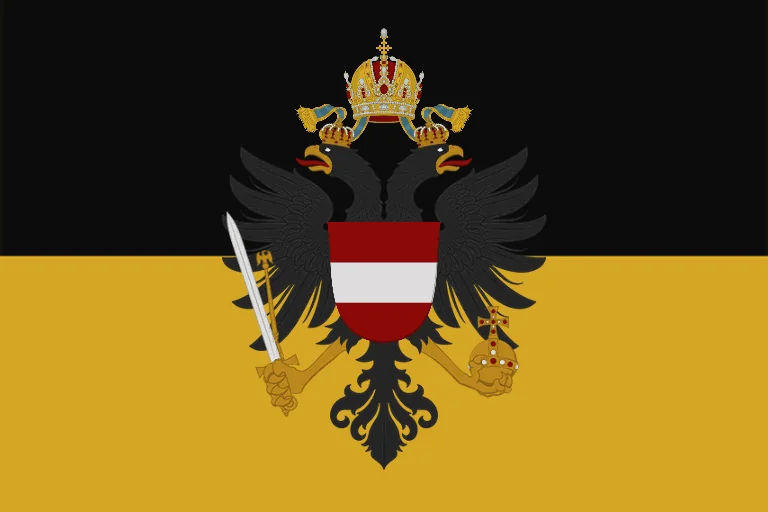 Austria
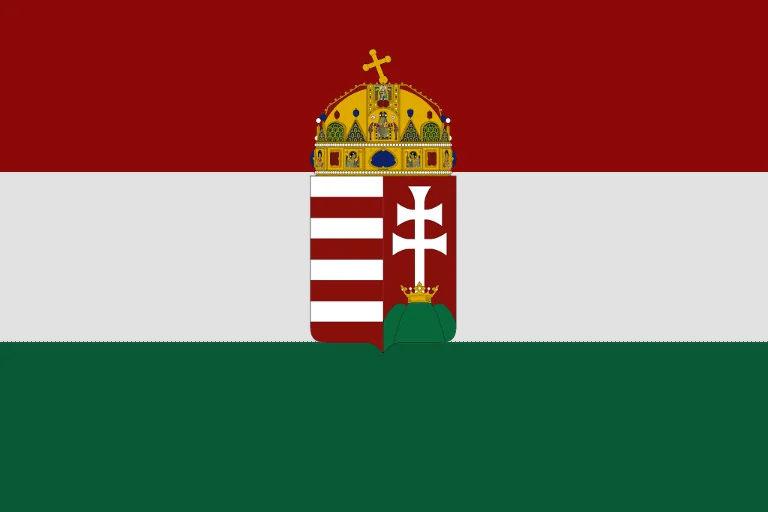 Hungary
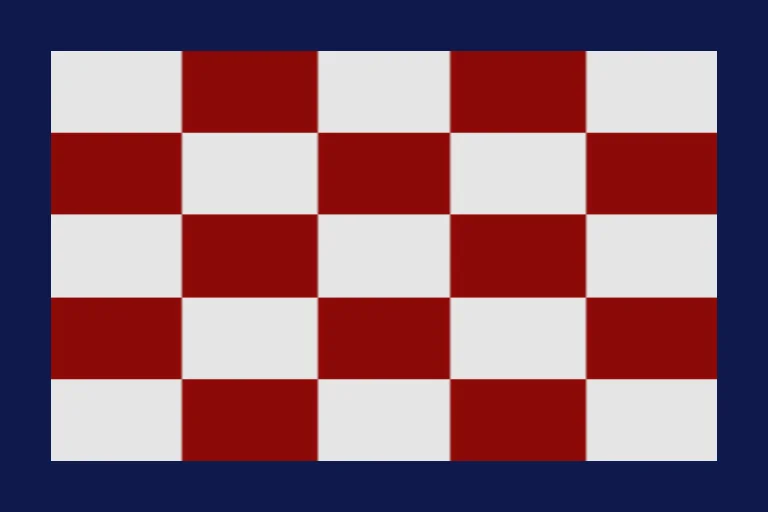 Croatia
 Serbia