The following is an approximate recounting of the Platine War, named the region it was fought over. We interviewed individuals close to the Brazilian throne, as well as primary sources at the fronts. Reader discretion is advised.
uruguay backs down
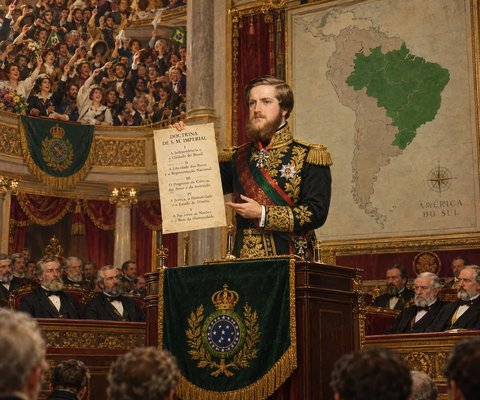
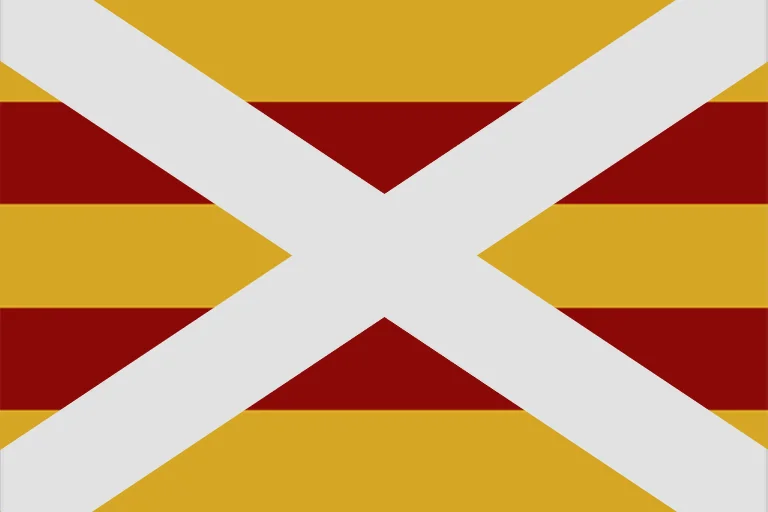
1st of January, 1847 - One year after Dom Pedro first read the Bragança Doctrines aloud before his constitutional assembly, the Empire took its first article and puts words into action. Uruguay was swiftly declared a protectorate of the crown and renamed to Cisplatina, quietly. No shots were fired, no lives were lost, no power committed to a side in the conflict. Grumbles were heard from leadership in La Paz and, more curiously, Santiago who had spent the better part of the year calling Brazil a rival, rather than friend, despite explicit desire by Brazil to do the latter.
The pLATINE war
15th of September, 1848 - By now, Bolivia's confederation was shattered. It lost Antofagasta to Chile. Was rebuffed by Brazil in its attempt to retake those lands. And even though it would go on to reclaim some land from Peru, it would once again be forced to back down its attempts to unite Jujuy, split with Argentina, as Chile rose to defend against La Paz. We, at the Jornal will never know what went down behind the scenes in Bolivia or Chile after this point, but we do know one thing. The Chileans struck a deal, and the Bolivians took the bait.
Seemingly distracted, Brazil set itself to complete Article I of the doctrines. Protectorates on Uruguay and Paraguay. Only this time, Brazil faced significant opposition from a coalition of Southern forces.
First Bolivia, then Chile, two enemies set aside their differences in an instant for what they perceived to be the greater threat. They took up arms with Paraguay, set to fight the Empire until the very end. In the ensuing chaos, Rio attempted to appeal to Buenos Aires, not quite friends, not quite enemies. Argentina made their choice. Buenos Aires would stand behind Paraguay, aligning the southern powers squarely against Brazil. One more card stacked against Rio. One more ally to aid the Paraguayans,. Chile, a quiet power, was now coordinating a rushed coalition of states against Dom Pedro's will and intent.
Article III activated instantly, Santa Cruz would be subsumed into the Empire.
It looked like Brazil may genuinely be halted from its goals, if it were not for the various force multipliers that enabled, what would eventually be, total Brazilian victory.
the imperial navy
"While the country is dealing with shortages of equipment, the moral against the Brazilian aggressors remain high! Viva la Argentina!"
- Speech delivered by Argentinian President Perro, moments before the collapse of Buenos Aires
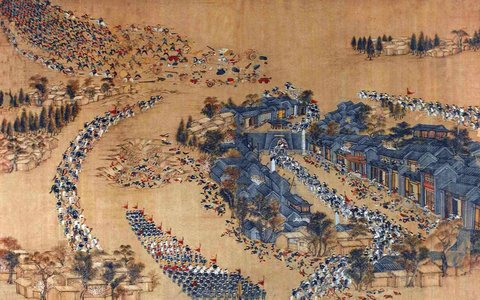
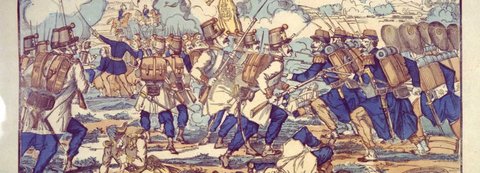
The first few months of the conflict could only be described as, uneventful. The Southern coalition knew it only had to defend Paraguay, while Brazil knew it could not penetrate their defenses. So it sought to fight elsewhere.
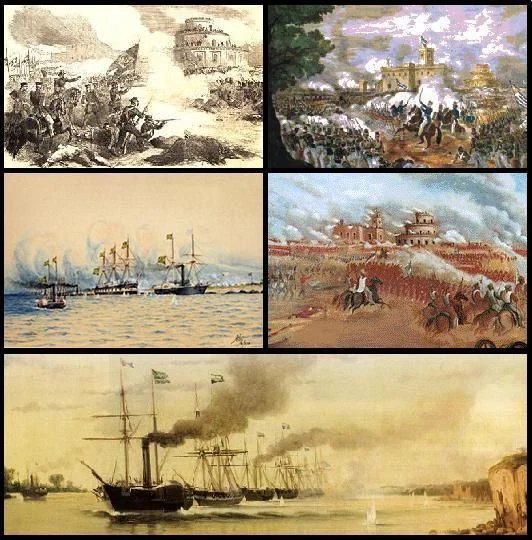
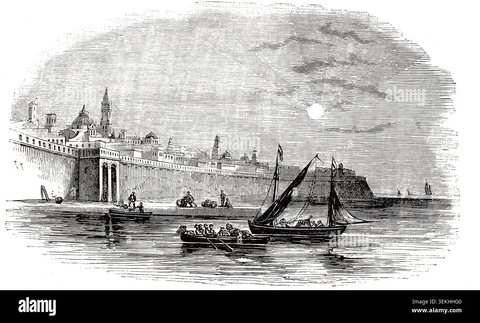
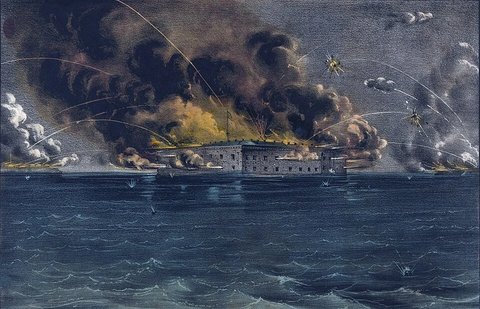
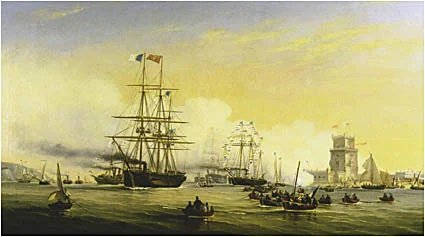
The only combatant with anything resembling a modern naval force, Brazil's Imperial Navy set to blockade the ports of Buenos Aires and Santiago. Slowly but surely, the coalition forces failed to reinforce their lines, and the coasts of Chile and Bolivia burned with Brazilian artillery shelling from the faraway blockade.
Though the Empire denies these claims, we at the Jornal have testimony that the Brazilian Navy was involved in indiscriminate bombing campaigns on the Chilean and Bolivian coastline.
Together they ride
"Chile loses nothing from this war" - Chilean Observer a few weeks before surrender
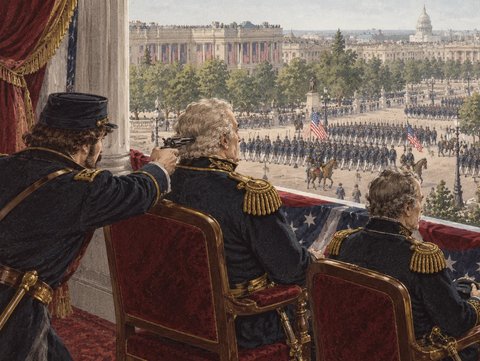
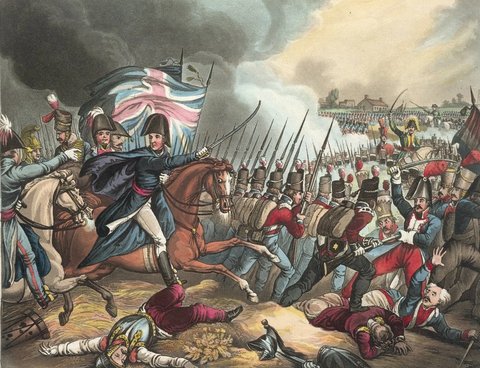
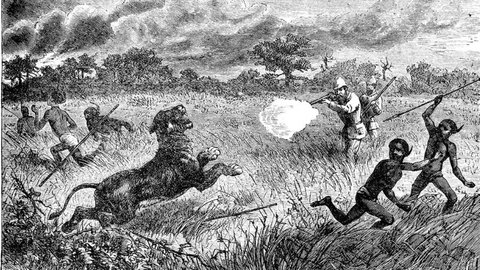
While the Chilean's scrambled to secure allies from Europe, Brazil needed only one. The moment the Texan Army arrived to reinforce the Brazilian front, the war turned in favor of the Empire. Texan skirmishers, better armed and better drilled than anything the southerners could field, broke the line when they came. Paraguay fell first, the rest is history.
But the southerners would not surrender.
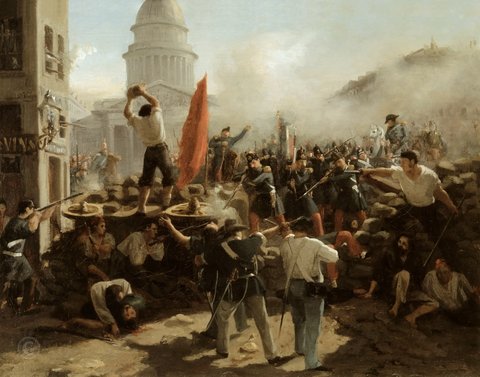
Chile, thinking they had an ace up their sleeves, appealed to the British Empire, but what could the British do? This isn't their hemisphere. The hand of Washington arrived and swept away British aid. The Southerners were on their own. While Buenos Aires begged for capitulation, the Chileans insisted on holding the line. Brazil was ready to let Argentina exit the conflict, avoiding the clear disaster unfolding in Argentinian countryside, but it was Chile who refused to let the Argentinians leave, descending them into a famine of their own making.
While Brazil's army made its way through Argentina, La Paz was stormed by a power it thought it would never face. Texan Army-men marched through Bolivia, only a few miles away from Chilean borders before the white flag was finally raised, ending the Platine War.
'We only asked for paraguay'
1st of October, 1850 - The Empire found itself in possession of nearly every claim made in the doctrines, and more. Texas used the fronts in the Amazon to test the might of its soldiers and weapons.
Corrientes was annexed from neighboring Argentina, whose inability to combat the Brazilian flank spiraled the nation into an economic crisis for the next half-decade.
Bolivia, defeated a fifth time in only a decade and a half, lost its only remaining Amazonian province. Its leaders have been said to be dejected, betrayed, by neighboring Chile, we have it on good authority that their debts were fixed by the British crown. Bolivia barely runs on Brazilian and now British gold, what will happen when the aid runs out?
Chile lost no territory. It can tell itself it came out of this conflict unscathed, but it can certainly never call itself an undefeated power, a fact they seemed quite proud of. Antagonizing Brazil has cost them their network of allies, strengthened their Rival and they seem intent on being a British outpost in the Pacific.
Brazil, in the end, asked only for Paraguay. Ironic, that it was a coalition of her enemies who decided the price need be higher.
For more on this story, subscribe to Jornal do Comércio. We maintain no official position on events described in our publication.

























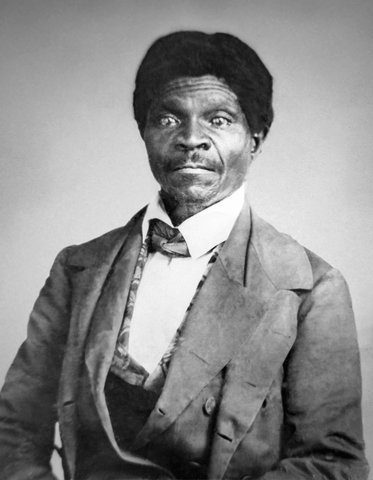
 Chile
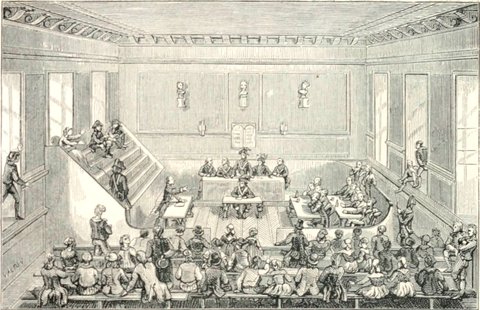
Chile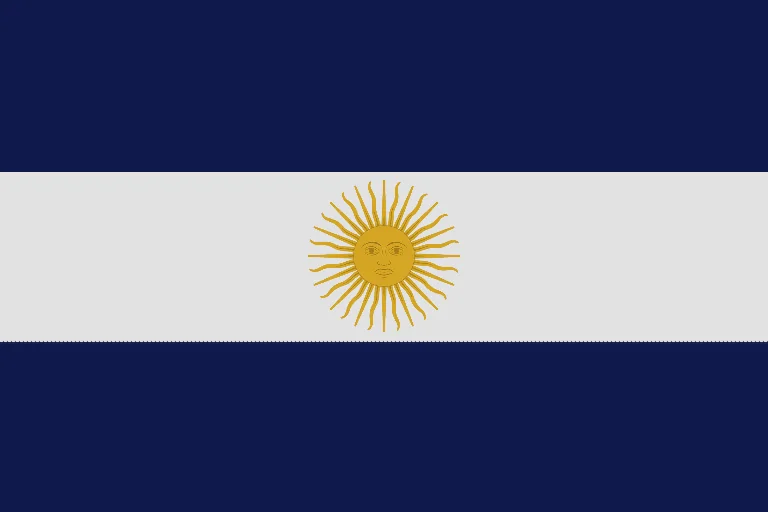 Argentina
 Paraguay
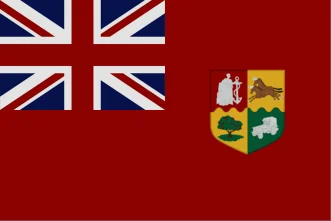
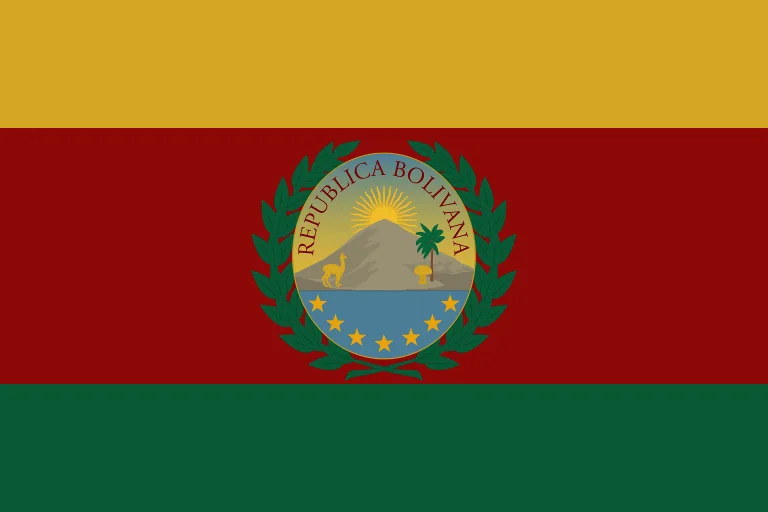 Bolivia
 Cisplatina