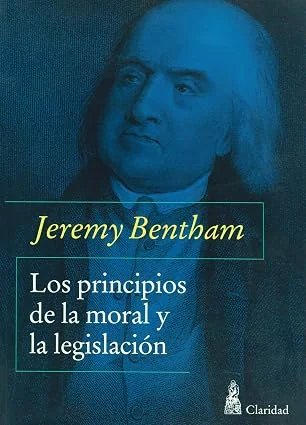
It has now been ten years since the Universidad de Jeremy Bentham took in its first students. Now several generations of graduates have joined the civil service, the private sector, and even become scholars and educators themselves; having been educated with a focus on English Utilitarian thought. But like people, ideas rarely stay unchanged as they stay longer and longer in a new environment. The ideas once lifted directly from Bentham and James Mill are now being discussed with a new, “Hispanic” character.
There are still many “liberal” Utilitarians, closer to the traditional English school and having some connection to the European Utopian movements. These still advocate that the best society is one of ever-expanding public participation. This, they argue, unlocks the “efficiency” of men knowing best what will contribute to their own happiness; as well as the "intrinsic" benefit that such participation provides to human flourishing. They argue for the expansion of public education in tandem with the gradual easing of barriers to the franchise, until all are brought in as “full” members of the social project.
But the ‘new school’ sees a fixation with democratic participation as distracting from those things that will *actually* provide better for people, here and now. Mexico’s elections are suspected to be rife with fraud, and determining the fate of a country based on made-up numbers is absurd. Partisanship and personal grievances among the elite mean even uncontroversial reforms take years to pass. Vote-trading in Congress goes hand in hand with concessions of factional pet-projects and outright bribes. All this while the common people starve.
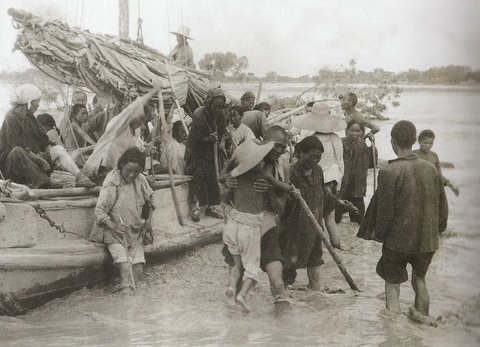
And starve, they do. It is the leading issue in the Utilitarianos Neuvos’ favor, for a movement that would probably otherwise have little support among the common man. War, political corruption, and investment in liberal projects have sucked investment away from simple food distribution. Peasants can barely buy bread and fish; and quality grocery items are completely out of the question. For the first time in decades, child mortality rises as families go malnourished.
Liberals’ vision of a better world tells the poor: send your children to school, that they may get better jobs, vote in elections, and participate in their local assembly. All nice things, sure. But all ring as offensively out of touch when the children can’t eat.
The rising adherents of Utilitarios Nuevos make their point simply and succinctly. To be in government is not to somehow embody the will of the people. It’s a job. The people who should be hired for the job are those most qualified; and they should be empowered to use their expertise to the maximum benefit of all. *That* is what gets food on every table, and *then* will worry about the next priority.
Many point to the experience of their southern neighbor, as enacting these principles even before they were articulated in theory. Presidente Morazon still holds a reputation in many circles as an “enlightened caudillo”, forcefully guiding his people towards uplift, where democratic division would have left the people still waiting for relief. And indeed, the poor of Central America *eat* better
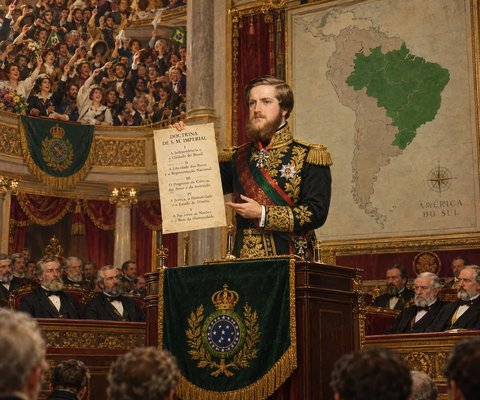
Presidente Emeterio Huarte was never a professor himself, entering the Foreign Service office shortly after graduation and running for Congress in his home state of Yucatan not long after that. But papers from his time as a student reveal that he was an intense advocate of Utilitarios Nuevos , at least in his youth; and kept a friendship with several leading Bentham professors. It is uncertain if he holds such views still, or if he has any interest in using the Presidency to implement them. But if he does, ironically, Mexico’s illiterate masses may be his strongest allies.









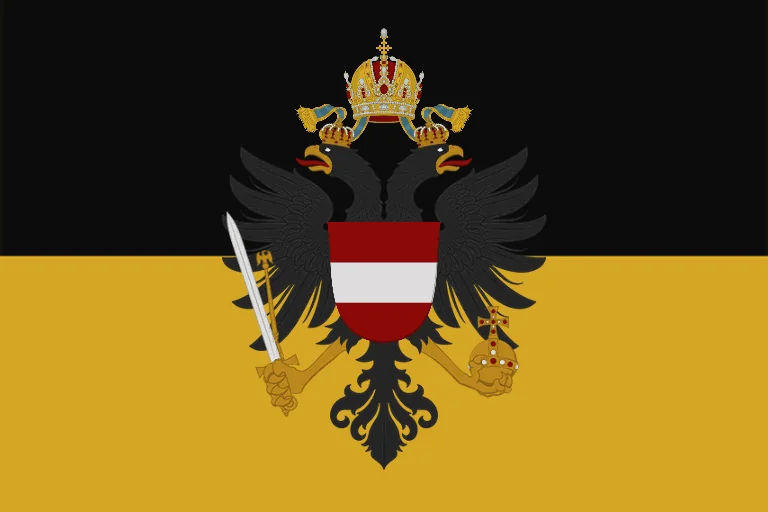























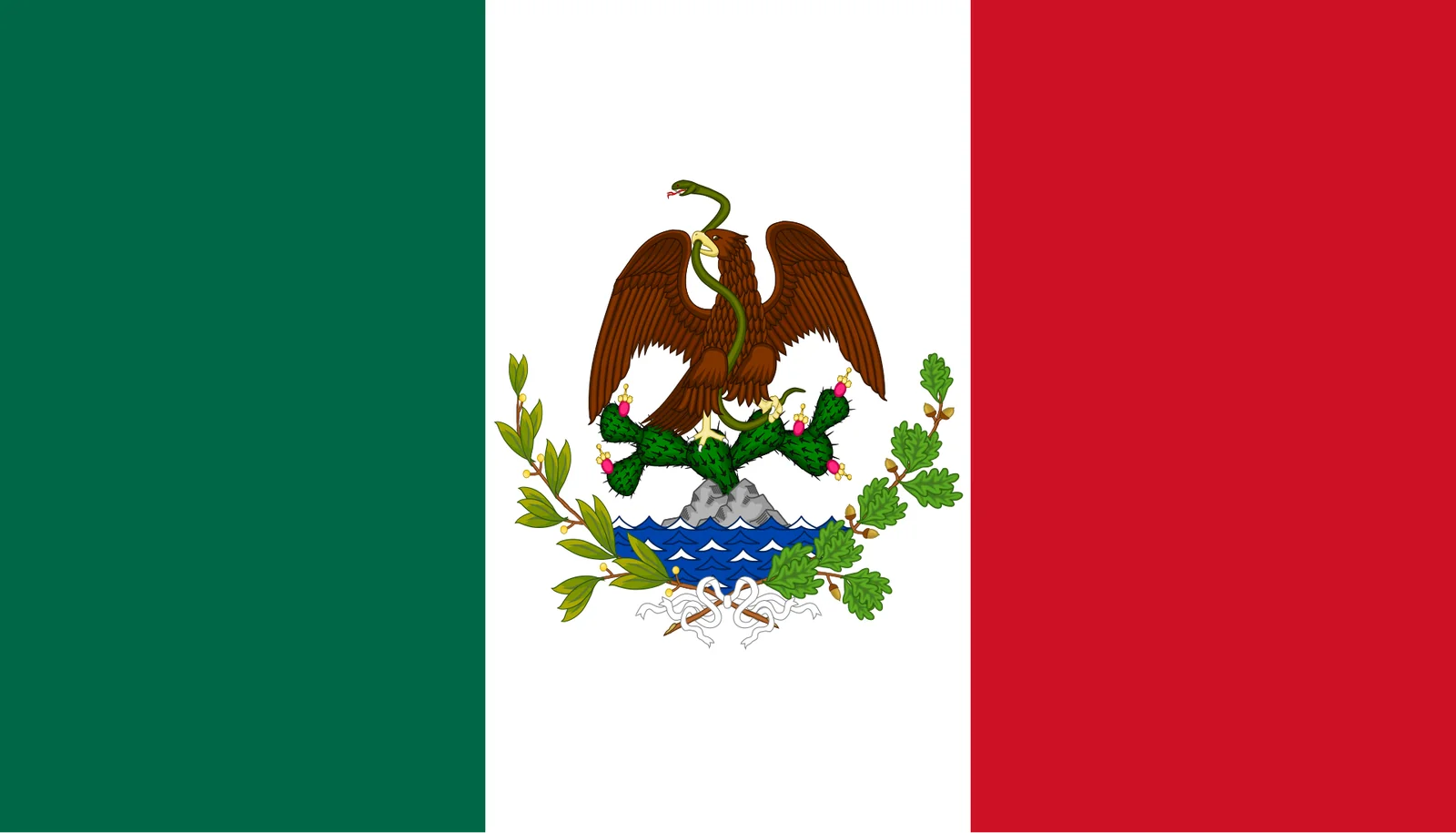 Mexico
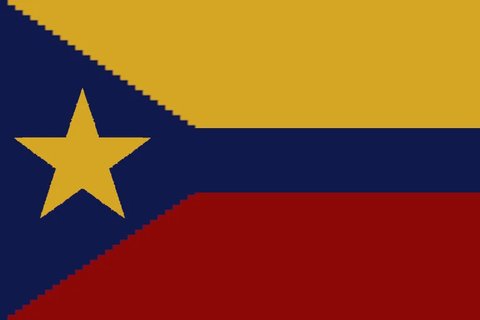
 Puerto Rico