EconomyPolitics & Society
Player Submission
🔥 2
Mexico City, Mexico, 1854 · Springtime of the Peoples
By player
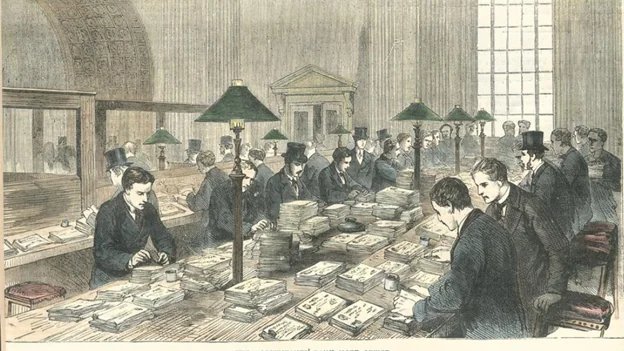
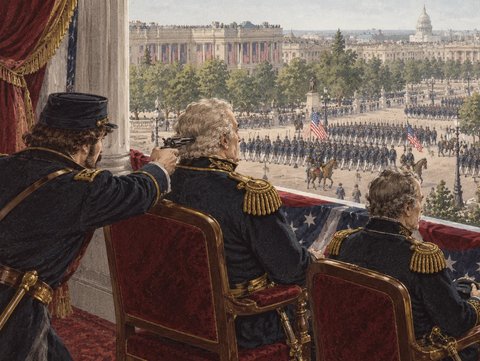
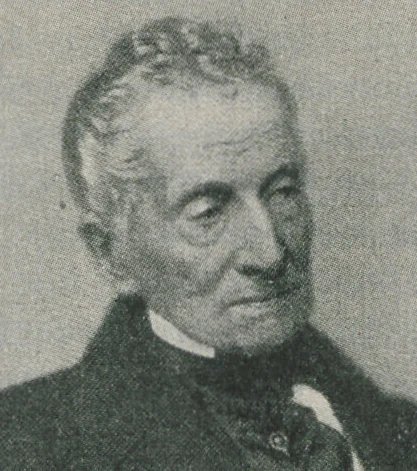
Valentin Gomez Farias stepped down from the Presidency after two consecutive terms - elected once in a three-way race with 42% of all votes; and once in a two-way race with a highly suspect 91% of all votes. He and the liberals may never have been the most popular, and his signature secularization measures were rife with compromises. But he managed to serve out two full and pretty productive terms by offering a little something to everyone. Some may call this bribery with extra steps, but the liberals just call it public policy.
Faced with difficult choices the Farias administration’s favorite tactic was to assert that Mexico can, actually, afford both! Funding continues to subsidize Church schools and dozens of new public schools have been opened. Policing was expanded to combat rural banditry and taxes were reduced on the peasantry. The size of the central government’s bureaucracy has ballooned and large subsidies and trade incentives are still doled out in the private sector.
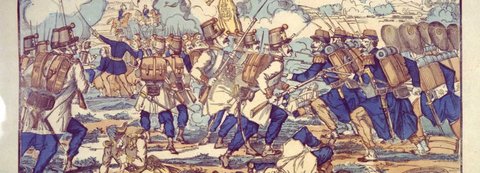
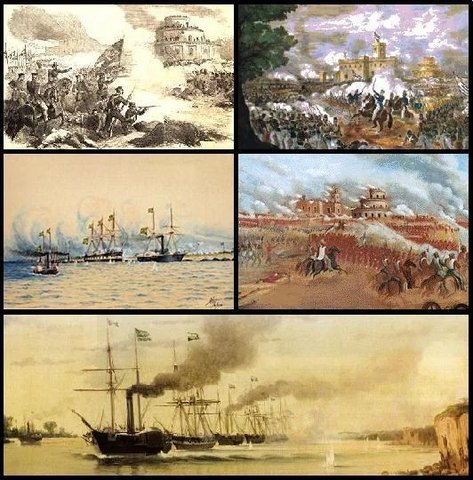
Trying to please everyone has already had hard consequences. When Mexico rallied to the defense of New Granada, Farias delayed peasant conscription by months, and when relief troops finally reached the front line allied armies were already falling back from Bogota. But back home the fruits of why-not-both are also being felt in Mexico’s massive, climbing debt.
The initial windfall from the American Purchase has long been spent, and remaining installment payments barely put a dent in the deficit from public spending. Those installments basically offset the country’s hefty interest payments; and those too will run out in another twelve years or so. Tax rates have massively swung, with the government trying to offset spending only to back down in the face of new unrest. Now after the loss in South America jingoists are calling for expanding the military, and no one knows where the funds will come from.
Liberal Congressman and shipping magnate Justo Lerdo de Tejada pushes for wide-ranging privatization and deregulation of the economy, to open up access to credit and investment. Wealthy landholders and tenant farmers distrust any effort to reorient Mexico’s agrarian-centered economy; they instead call for public works to be put on hold until debts are paid down. Minorities on both sides talk about courting foreign investors to refinance the debt; but the Jingoists derail any talk of deeper ties to foreign powers.
Mexico has now gone its longest period without an outright coup or civil war. But as Presidente Emeterio Huarte assumes office, the price of that stability stands at 21 million pesos. Whatever he meant to do with the office, dealing with that balance will probably be his defining work.