Politics & Society
Player Submission
🔥 0
February 17th, 1854 · Springtime of the Peoples
By player
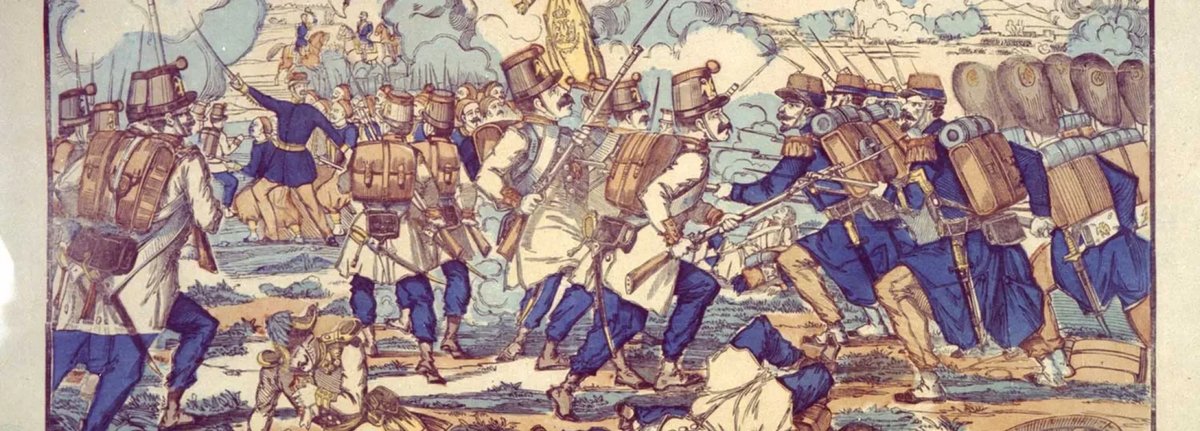
The past few years of modern conflict have been evidently becoming more and more deadly, with greater casualties, more devastation and a larger scale than ever before. Henry Dunant bore witness to this first hand at the Battle of Solferino, in the war between the Italian states, with France and Austria vying eagerly for power in the region. We was awed specifically at the number of casualties, wounded soldiers or otherwise, left without adequate medical care. He was specifically concerned over fighting men of one nationality being neglected, while men of another nationality are helped, all based on the medic's own nationality. In this decade of nationalism erupting in mass unrest and outright rebellion across Europe, he understood this all too well, but still he frowned.
“The women of Castiglione, seeing that I made no distinction between nationalities, followed my example, showing the same kindness to all these men whose origins were so different, and all of whom were foreigners to them. ‘Tutti fratelli’ [‘All are brothers’], they repeated feelingly.” A Memory of Solferino - Henry Duvant
In this book, he published his own account of the battle, and later proposed two things: permanent volunteer relief societies in each country, and an international treaty protecting wounded soldiers and those caring for them.
A year after publishing his account, a five-member committee met in Geneva on the 17th of February. They created an International Committee of the Red Cross. They duly noted that the Italian war was never going to be a outrageous atrocity; it was going to be, from here on, an international standard for carrying out military conflicts all across the globe. The German states, South America and the Middle East were simply following this precedent, and future wars to follow will not only keep this standard of gruesome conflict, but they will expand on it tenfold. They agreed that an international standard of treaties to protect those who are outside of the conflict must be developed in turn.
“She gave exactly the same attention to the Austrians as to the Allies, and made no difference between friends and enemies.” regarding a Countess who cared for an Austrian soldier. “Our Lord Jesus Christ made no such distinctions between men in well doing.” was her response. A Memory of Solferino
























 Switzerland