Twenty six years ago, the Portuguese people ushered in the modern history of our nation. They rejected the tyrannical, warmongering excesses of the French and Napoleon, the patrimonial reaction of the British, and the backwards provincialism of the country nobility and peasants. They introduced the Carta by which our movement still swears, and by whose spirit our country will achieve Regeneration. They gave people voice and vote, but maintained our holy monarchy; they returned the secular power of the orders and clergy to the state, but retained respect for our holy apostolic faith; they freed our markets without ushering in the madness of land redistribution or trade unionism. They, in short, set our state on the path of progress, veering from destructive excess and backwater stagnation alike.
They met resistance, and they had to shed blood to bring us to the state we are in today, and the great Regeneration we are about to embark upon. But the Liberal Wars were not, despite the Miguelistas claims, a war of progressives against conservatives, and certainly not of radical Frenchist Republicans against monarchists. It was legitimacy, the will of the people and the true, anointed and crowned Queen, against usurpation, law and civilization against feudal autocracy, and modernity against madness. Today, however, the primary source of madness in our Fatherland, and in all of Europe, are not Miguelistas and their withered ilk.
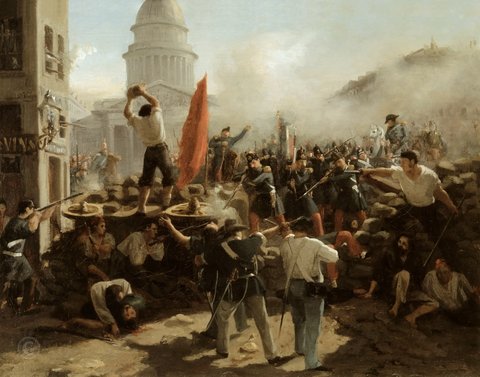
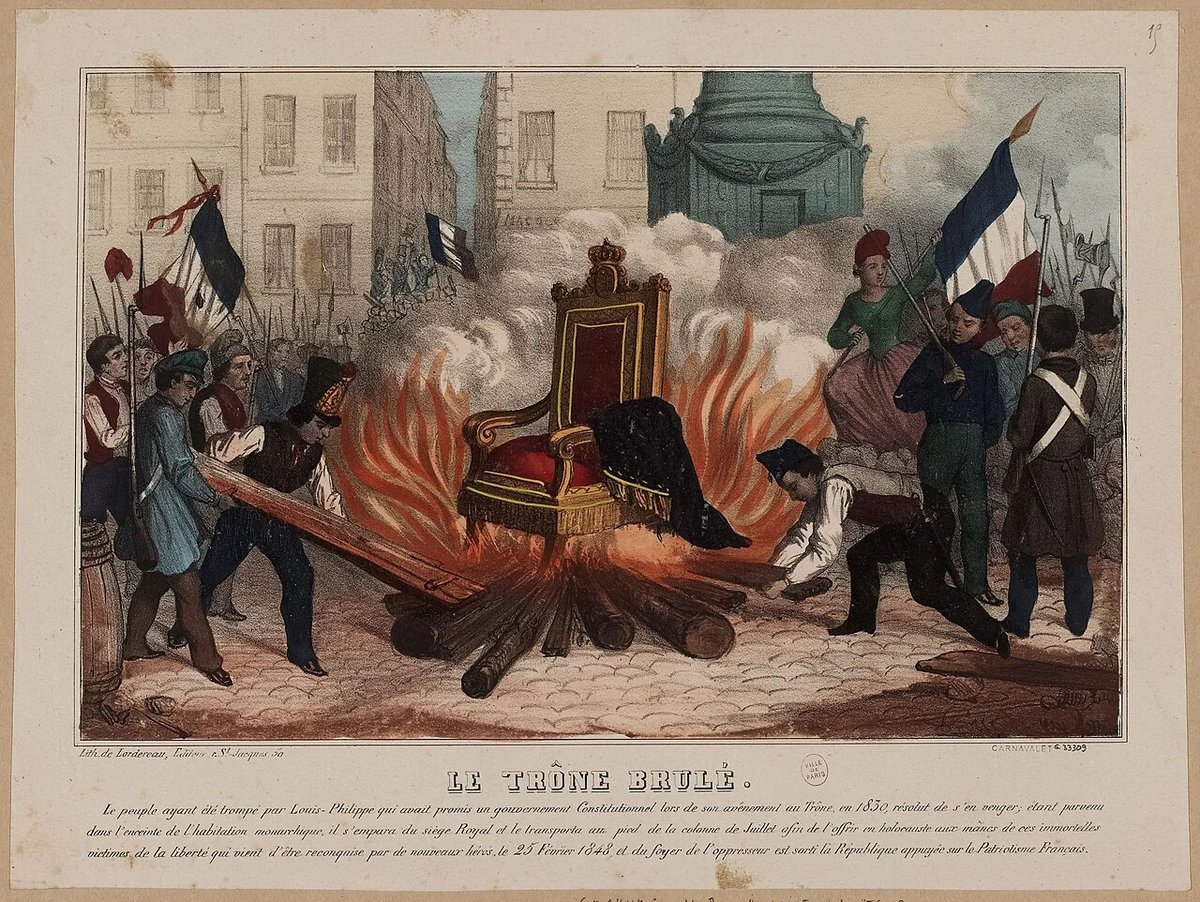
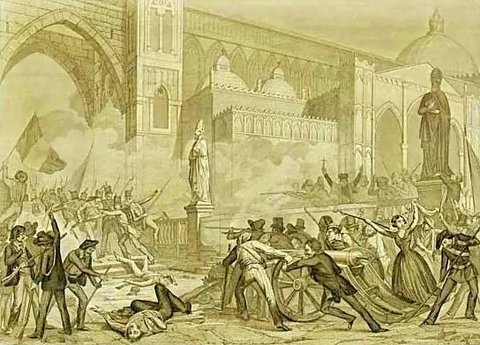
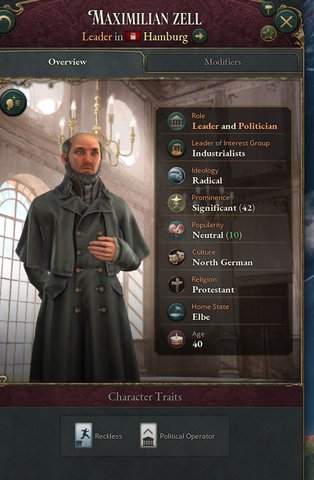
Caught up in the hereditary manias of the peasantry, the workers now bear red banners, decry slow progress, crow about Republicanism and so-called Zellismo. Across Europe, governments are falling to radical secularists, rebels and men who reject the very precepts of contract and civilization. In France and Belgium, monarchs chosen and acclaimed by their people are turned upon by the undermass, threatened with death and forced to flee. In Germany, an undergraduate republic of criminals and fools smashes it's way into yet further despair and degradation. In Sicily, men sheltered by their King betray him, for lust of power and on the surging, mindless violence of the masses.
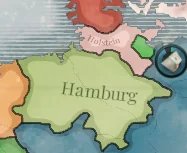
Vintismo, and Liberalism in general, are about improving the lot of the common man, about assuring him his rights and a voice. But among his rights is not indiscriminate looting and bloodshed, and a voice is not the same thing as a firm grasp over the levers of power. In Portugal, Passos Manuel's constitutional reforms will give the common man a greater voice in who pulls those levers, but we must not confuse that with devolving authority over government, it's choices or even it's very existence, to every tinkerer, thief and prostitute on Lisbon's streets, as they now attempt in Naples, Hamburg and Brussels.
President Passos has seen fit to praise the Zellists and Muratists as seeking the freedoms we have already in Portugal, that we no longer need to shed blood to achieve. But he should not confuse our goals, of freedom and prosperity, with theirs, of lawlessness and looting. We may use some of the same words, and call upon the same philosophers, but the radicals who now ravage Europe, and who may well soon enough threaten Portugal, are neither our allies or brothers.
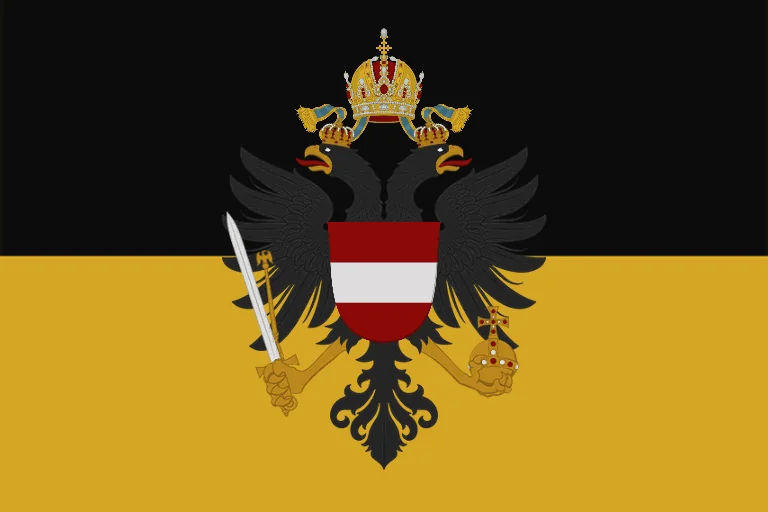
Passos has said himself, : "I am a Minister of the Queen — the Queen is the head of the whole nation. And before I was for the Left, I was for the Fatherland. The Fatherland is my policy." Thus let it be for all of us. Fatherland comes first, and Queen head of our Fatherland. This madness, this war against country and monarch and all, is not the Vintist struggle. Let Passos condemn it, and join us with the Austrians righteous holy league, that we may keep it out of our beloved homeland.
Viva Portugal, viva Vintismo, and viva Regeneração!