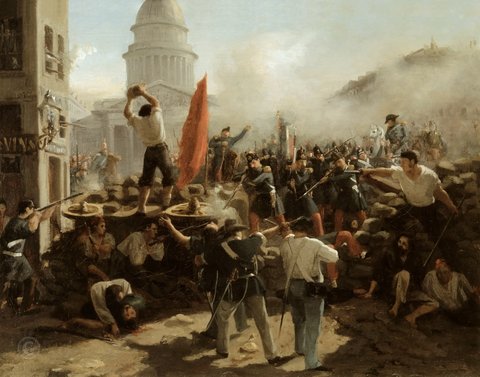
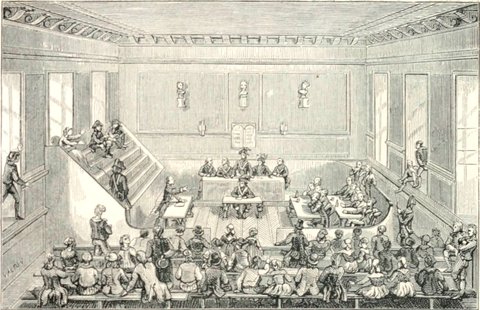
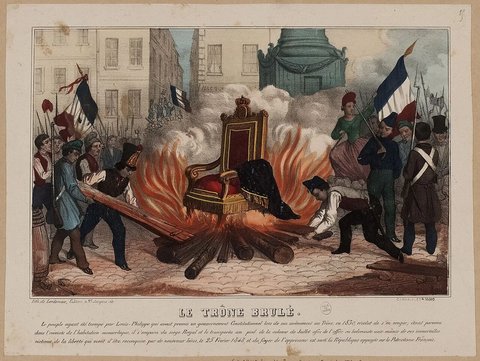
There is a temptation, common to every age of unrest, such is the nature of man, to desire change yet to fear it like no other. man is often swept up in the waves such ages produce, doubt seeps into every corner, yet there is no universal doubt and there are rules of thought that are undoubtful, when such doubt about itself takes hold, no order can remain stable, spirit does not need its old clothes to still be itself. Paris has time and time again worn clothes of differing colours in 1789 and again in 1830, and each time the argument was dressed differently while the thing underneath stayed the same: an authority answerable to nothing above its own present will. It is the disobedience of the catholic faith of the past that has caught up to them, for when weed is planet it is difficult to root out.
Yet we must remain obedient, not the obedience of the beaten dog, who submits because he has learned to fear the hand, but in the way that a son obedience trust a house older and wiser than himself, for while he has but stood for his meagre years, the house has stood for centuries. Even where he cannot yet see the reason for its rule, he must follow it for society to function and reality to work, and for the rare case where the house asks something plainly against God, rather than merely something inconvenient to him, he must stand so and not fear the hand that feed him.
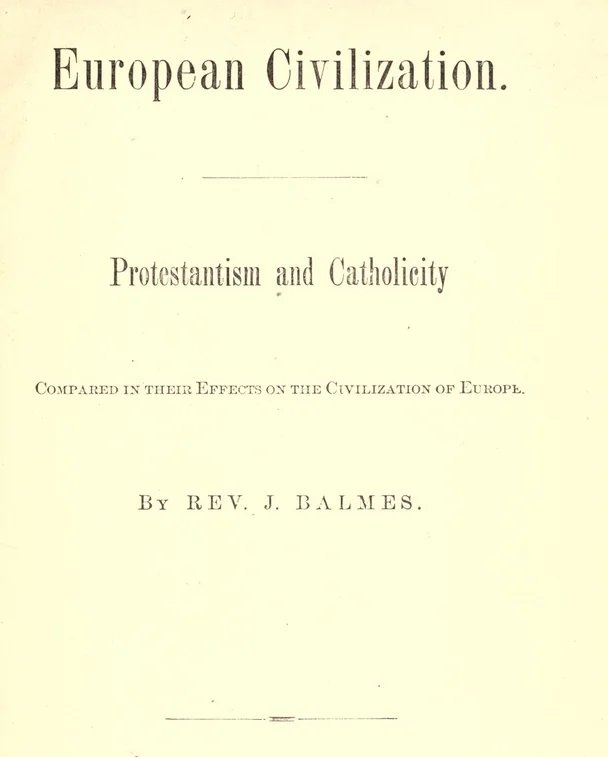
This is the great inheritance of the Catholic faith, and it is precisely what the Protestant spirit set out, three centuries past, to dissolve. Scripture, Rome has always held, requires a rule of interpretation, since the same page has produced a hundred incompatible certainties in as many honest readers; the reformers proposed instead that each man supply his own rule from his own reading, and called said result liberty. Yet they only liberate their mind to anarchy of that written in the doubtful men of *What Is Property?* to burn down the house that has stood for centuries past is of a foolish notion that only seeks to break the house and allow the devil to creep into the cracks that happens with its collapse. They Dream of such liberty as a means of resisting the Authority which controlled them, but... never dreamed of establishing it permanently, because if they laboured to upset lawful authority, it was for the purpose of usurping the command themselves.
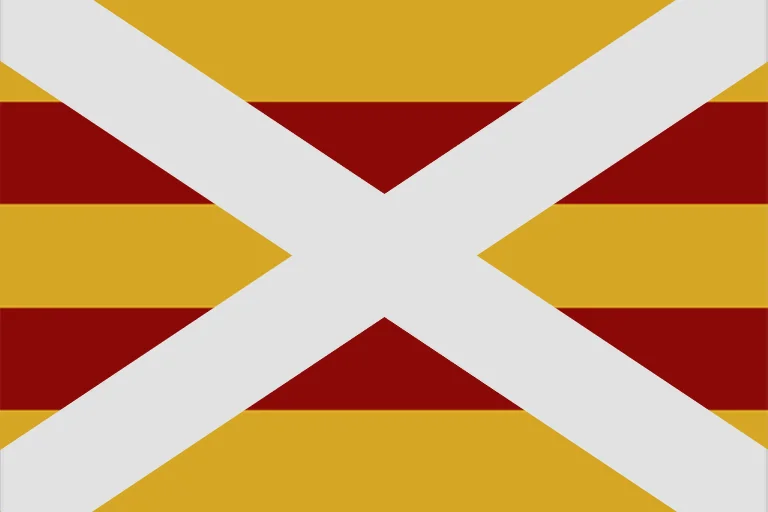
I have known Protestants of real personal piety, yet my quarrel here is with a principle and not with the men who still hold it honestly. The civilization built on private judgment of all allows only differences to happen in the text, it will eventually drift toward private grievance, for when every man must contain a voice, no progress can be done, not one voice allows for the progression of man itself only the corruption of its individuals to their own greed. Greed can come in forces not yet seen, as with the Carlist wars, obedient Spain has yet fought herself, should this be seen as a man not obedient to himself, farther or the lord? I answer that Carlist did not rise because he had stopped believing in thrones; he rose over which throne to believe in. A son who disputes an inheritance has not thereby renounced the idea of fathers.
Nor is the remedy of some new rigor handed down from above, as though obedience were a rope to be pulled tighter. A bishop who has not troubled to visit his own diocese in three years is poorly placed to instruct the men in it, and no decree will fix what his own absence has already taught his flock. The Church's claim on a man's obedience has never rested on the dignity of whichever cleric happens to hold an office for a season. It rests on something no Anglican owes his king, and no Lutheran owes his prince: a unity that answers to no crown at all, which is the one kind of authority a free man can submit to without first asking what it costs him to refuse.
Yet the costs are real for those of unrest, the Protestantism that took hold in the north years before are now seeing the pain of which it happened. Protestantism in its founding is a house built on the understanding of the individual, and as a result that individual will lead himself away from what is true. It is the obedience of the Catholic that allows his house to stand, and it is the disobedience of the protestant that allows the spirit of revolt to take place.