[Disclaimer: The opinions expressed and predictions offered in this piece are neither endorsed nor condemned by the Editors of the Gazeta de Lisboa.]
Five years ago, the Passos Government's 8-year reign came to an end. Despite his Vintist's receiving the most seats in the House of Gentlemen Deputies, they could not overcome the Lords, the Cartists and the Queen together. Their financial and trade reforms had been considered too far, too fast, their spending libertine and the economic dividends not worth the cost. The masses understood their assurances that they were not leading them into a second Devorismo, but the so-called wise men of state saw differently, and His Excellency the Duke of Terceira was tapped to form a new government.
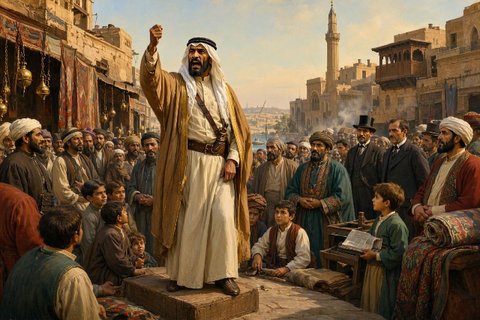
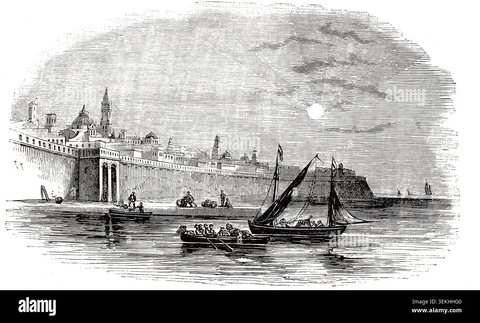
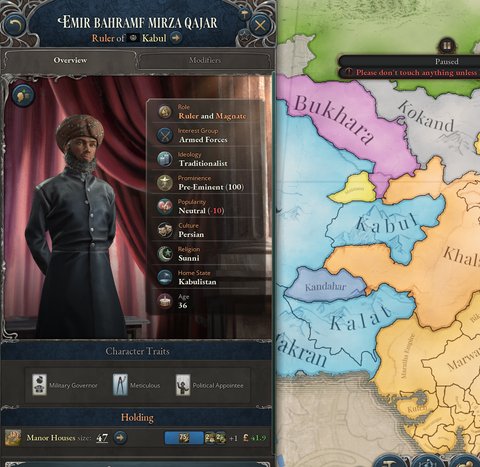
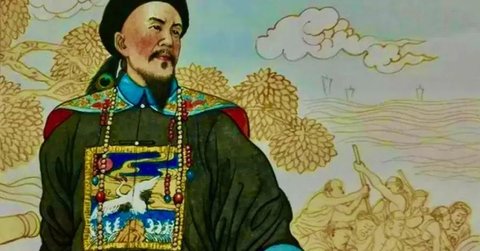
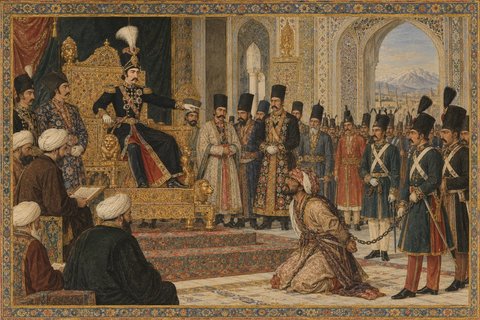
The Second Cartist Administration was not without it's victories. It began to prepare for Portugal's reentry on the world stage, with diplomatic missions in far Persia and, nearer to home, Morocco, and asserted our interests in Africa and China. It paid off much of our debt, though only through crushing taxes and much reduced investment at home. However, it did not provide people or state with the succor they demanded; bread and the vote. Even as the Gentlemen Deputies, the nobility and the generals patted themselves on the backs, the people suffered, and they cried the name of Passos, and of Vintismo.
A few elements contributed to the Vintist's recent electoral victory. Firstly, the expansion of a new class of wealth, the coffee growers and urban factory owners, who accrued enough property or bought the appropriate titles to vote for their local councils. In Coimbra especially, these men's representatives overwhelmingly selected Vintist delegates to send to the House, for their policy of free trade and markets is aligned most closely with Vintismo. Their chief politician in the legislature, Joaquim da Costa Bandeira, is now a valued member of the Passos coalition. With Passos promising lower taxes and the opening of more markets to Portuguese merchants, they seem like to be rewarded for their faith.
Secondly, the Miguelist agitation in the countryside. In the south and north, Miguelismo's ugly head, spurred by high taxes and the peasantries suffering, was viewed by many in Lisboa as like to result in an entrenchment of Cartismo moderatism. However, the Miguelist delegates attempts to overturn the Law of Exile, and the violence and disorder their supporters inflicted on the country, only drew more to Vintismo, the ideology seen as most willing to stand against the Miguelists, a prediction which has born fruit, as the rebels have been subdued across Portugal.
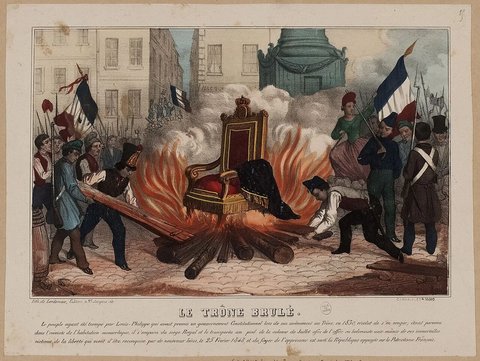
Thirdly, discontent with the two-stage voting system. While such seemed wise, perhaps, to the old King and framers of his Carta as a means to forestall the tyranny of the masses, it's result being a flagrant disregard for the people's (quite reasonable) will in the election of '41 led to much upset among nearly everyone who cast a ballot. Now, the President of the Ministers seeks to amend the Constitution, abolish the two-stage system and expand suffrage to many more wise men of property, a goal supported explicitly by everyone from the staunchest Vintists to the Patriarch of Lisbon, Teodoro Lopes, and Marquis Tiago José do Livramento Rangel, better known as Minister Rangel. Only the most stalwart and, frankly, corrupt of the Cartists still stand against it.
Finally, the growing suffering of the lowest classes has made reform seem, if not desirable, entirely necessary to all but the aforementioned. The Russian Blight, along with the Cartista's high taxes and the reduction in state investment and wages, has created great trouble for our nation's middle and lower classes. Machinists and managers in Lisbon's new factories cannot afford furniture, while peasants in Minho and laborers in the Azores cannot afford food. Passos has sworn that the situation will be rectified, by reduced taxation and "sustainable investment", but this will perhaps be his government's most difficult challenge, along with a less than cooperative Queen. Maria, perhaps influenced by her Caesaropapist, Russia-loving consort, has been less than enamored with the popular Passos since she first appointed him to form a government ten years prior, and was reluctant indeed to acknowledge Vintismo's growing strength.
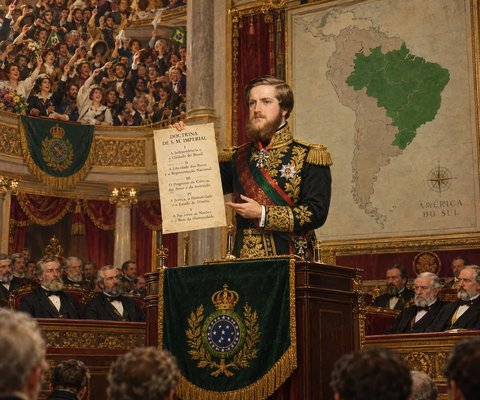
Regardless, Miguel Passos will certainly do his best to once again drive Portugal onwards. In his speech to Parliament this morning, along with the above detailed promises, he swore to shepherd Portugal into a new era of Regeneração, promising modernization in our infrastructure, government and industry, one in which we deepened our friendship with the British and asserted our regained might in Africa and Asia. It is thanks to him that we are a more prosperous and secure state than we have been since the civil wars, and we are certain that, if the Queen and the Cartists allow it, he will succeed in regenerating our nation. Viva Portugal, viva Vintismo, and viva Passos!