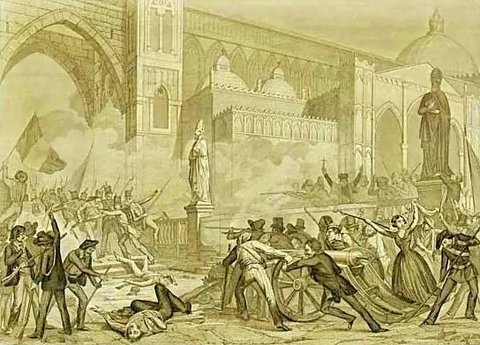
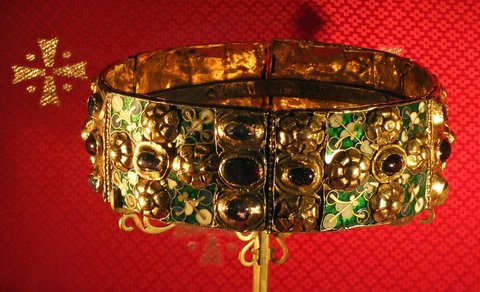
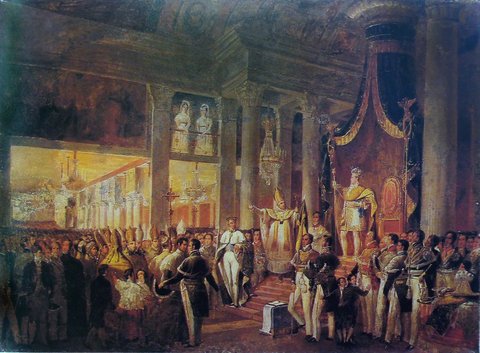
The last decade has been tumultous in Europe, to say the least. From Chartist uprisings in Wales that reverberated in the rest of the world, to the Swiss Civil War, the Parma revolution, and even the theft of the Iron Crown, it is clear that there is a sentiment in the underbelly of Europe that is ready to blow.
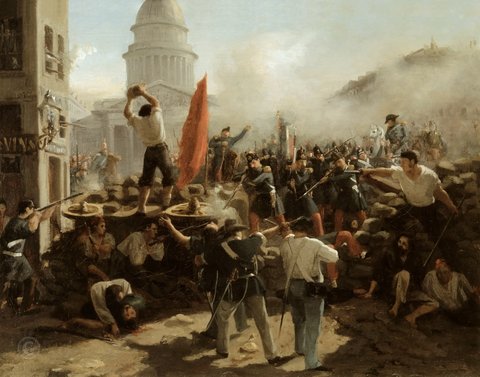
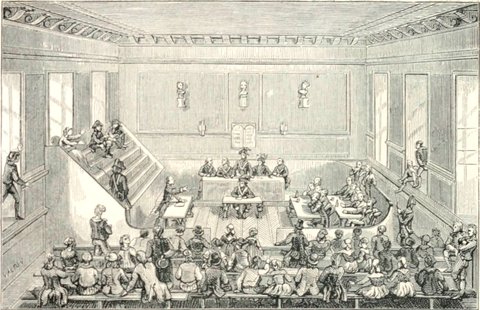
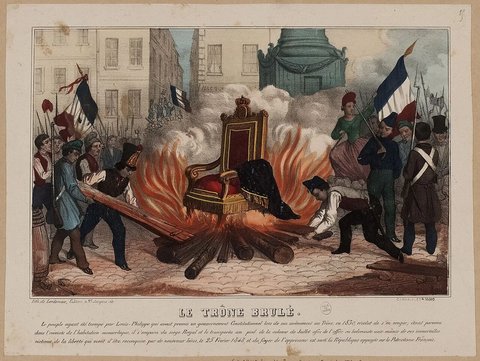
The people France answered. Pressured by the Prussian Potato Famine that is cutting through Europe like a scourge, Louis-Philippe was exiled, and his Bourbon Regime overthrown by a new radical Republic of the people, led by Chancellor Mathieu de La Drome.
Already, this is inspiring dominoes to fall in other places throughout Europe. And the question on everyone's lips was, where will they fall first? Where will cracks begin to show?
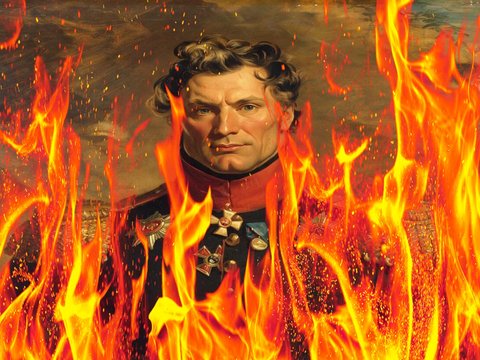
In North Germany, Prussia is shocked by recent statements made by Major General Helmuth von Moltke, the young upstart in charge of the Second Army.
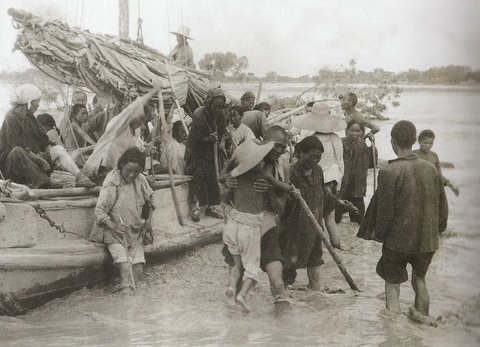
In the meantime, the minor states suffer. Hanover, Oldenburg, Bremem, Holstein and Hamburg struggle with extreme starvation, while Frankfurt, Hesse-Kassal, Waldeck, and Nassau, under Prussia's thumb, do not fare much better.
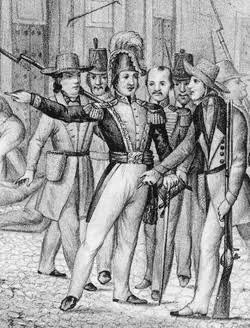
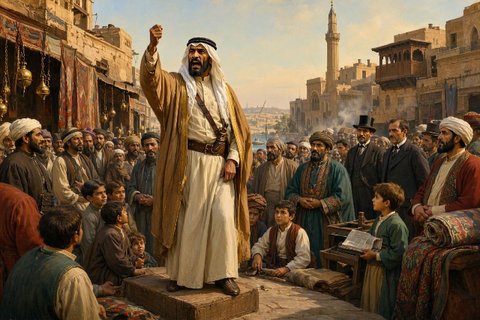
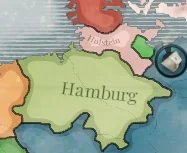
It is in Hamburg, amidst a sea of flames and desolate farms, that the dam breaks. The Free City, which had actively been suppressing German nationalism, finds itself in the edge of a revolution. Burgormaster Jurgen is forced to resign, and chaos descends in the region.
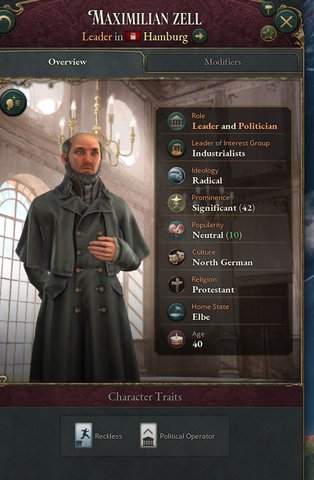
The movement in Hamburg is lead by Maximillian Zell and Alfred Lederer. They immediately seize control of the city and its national guard, and issue a statement for the citizens of the surrounding German states to join them.
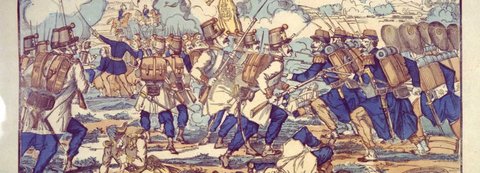
Holstein, careful about Germany and remembering its Nordic roots, stays out of the fight. But the people of Bremem, Hanover and Oldenburg rise up to meet Zell's call.
He sends a set of demands to Prussia: immediate food aid and the recognition of the legitimacy of the Republic.
Never again will the people bend the knee to their noble "masters."