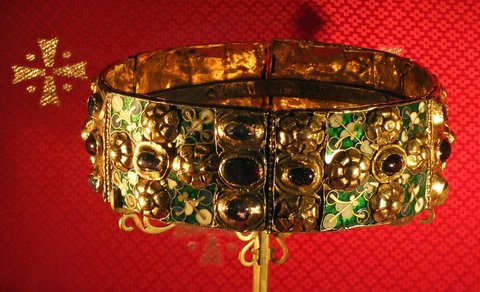
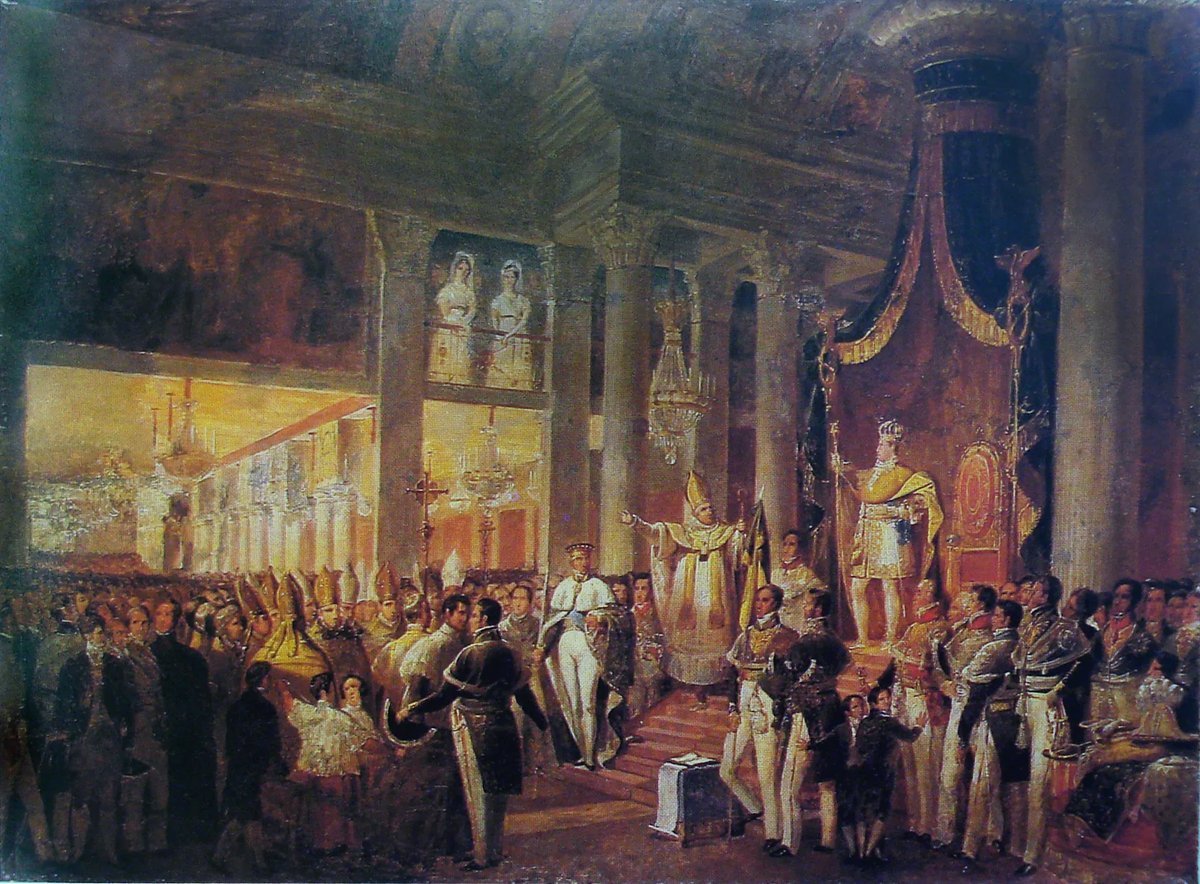
THE CORONATION OF PEDRO II
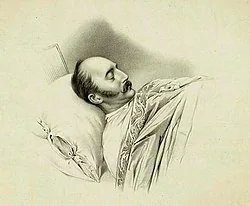
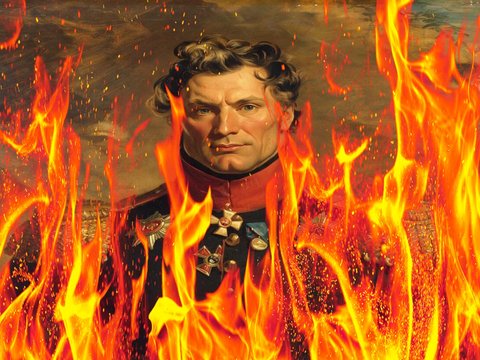
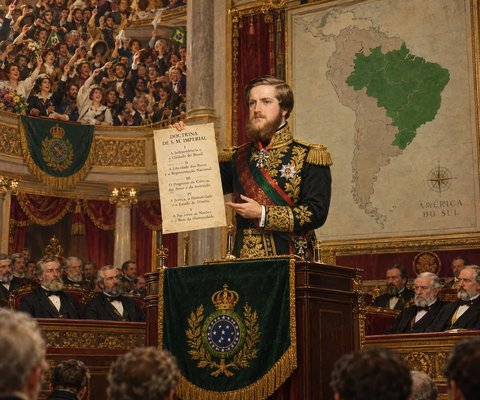
The streets of Rio flooded with celebration upon news of Pedro II's early coronation in July. The young child-emperor, now 15 years, was said to be charismatic, cunning, and intelligent, a shining light in a sea of Caudillos that would make Brazil into the paramount superpower of the Latin-Americas.
But things had not always looked this way...
RISE AND FALL
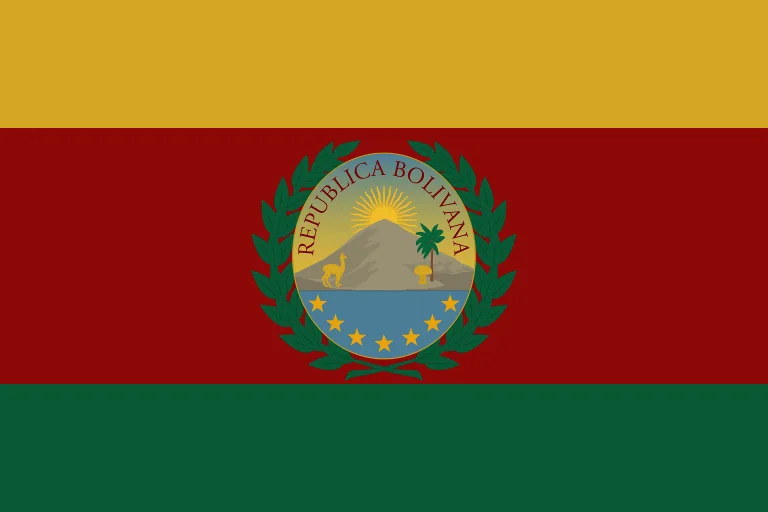
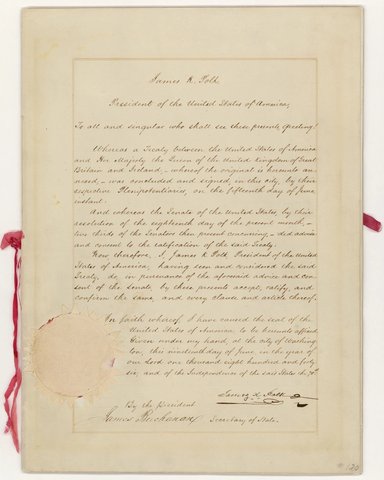
When word first reached the capital that the Regency had agreed to pay neighboring Bolivia for title lands along the Amazon, the coffee houses of Rio buzzed with a similar sentiment: "Swindle, Scam, Hustle". Early into their existence, the Brazilians paid for trivial lands it could have easily fought for and the world looked on as if South America would be ruled by two grand empires, one stretching the Amazon, and the other the Andes.
Texas, practically willed into existence by its mother nation The United States and its now-neighboring Brazil, admonished the head of the foreign minister, Juvenal Mourão in a private correspondence.
"I have had high hopes of your character and that of Brazil after the lovely report wirten by my associate, Mr. Hampton, and the lack of success in the Rio Conference was concerning but tolerable, this "Treaty of La Paz" is an outrage here in Texas." - Unnamed source close to Texan leadership
Critics similarly scorned the Brazilian regency for their willingness to back such a deal. What beckoned Mourão and Feijo along this path? Why allow an insubordinate state such as Bolivia to exist with its empire intact?
Perhaps the regency knew something we didn't, because within just a few years of signing the treaty, Bolivia-Peru would collapse into a landlocked nation of llama-farmers and downtrodden soldiers, with more Brazilian cash they even knew what to do with.
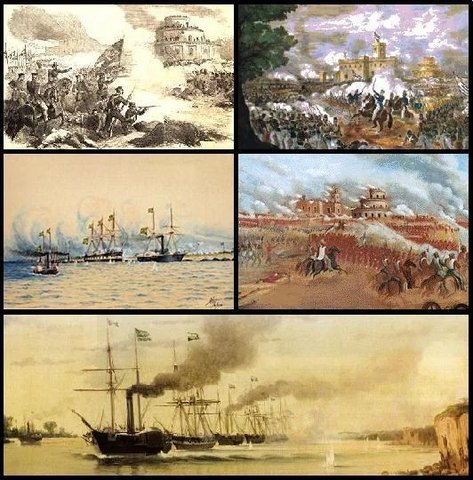
Peru-Bolivia became just Bolivia. Brazil, now indebted, secured her borders without bloodshed nor animosity. Had the Paraguayan and New Granadan governments not underestimated Brazil's military force, they too may have enriched their coffers for small miles of jungle. Where Bolivia avoided Brazilian gunfire, Asuncion and Bogota faced it directly, and lost. Brazil grew as its Emperor grew, and now no Latin-American republic can now ignore the will of Rio, and why would they?
If there is one consistent theme of Brazilian foreign-policy is cultivating the little-guy. Texas exists because Brazil promoted its existence. Chile, an ally, saw a Bolivian invasion deterred, not by stronger arms, but because Brazil willed a Bolivian retreat. Bolivia reclaimed its lost Peruvian lands not because they were some sort revanchist powerhouse, but because Brazil allowed them to invade.
AN EMPIRE FOR THE PEOPLE
"The children yearn for the mind", Bernardo Pereira de Vasconcelos said eerily upon Brazil's passage of its Public Education policy. A legacy of the now-retired Diogo Feijo, the people of Brazil may now look forward to being able to read and write with each passing generation. In fact, Brazil underwent significant domestic reform. The Naval branch of the armed forces, under João Paulo dos Santos Barretto, established a Capital Fleet Law to protect Brazil from the forces beyond its beaches. Local law enforcement was promoted to a dedicated, centralized police force one that would protect Brazilians from the nefarious forces within its borders.
And as the throne of the Empire switched hands, so too did the inner circle change. Juvenal Mourão now leads the nation as its Chancellor. Replacing his role as the Minister of Foreign Affairs is Irineu Evangelista de Sousa, a business magnate and major investor in Brazil's only major enterprise "Klabin Irmãos & Cia".
Even more interesting is de Sousa's ideology. A sign of where Brazil is headed perhaps? Though the economy is firmly led and controlled by the wealthy landowner class, the enlisting of De Sousa, an Abolitionist Capitalist, puts him in the cross-hairs of Brazil's most powerful faction. Pedro II would dare not upset the people who maintain his legitimacy... but who's to say he has their best interests at heart?
Rumors have spread that Brazil intends to align itself with the American sphere of influence. Slowly, the many nations of South America have joined in arms with Washington, and Brazil is set to join them. They promise a relationship of equals, but it is equals led by the Northern Americas. What will Brazil do? Will it settle for its current borders? Or will Emperor Pedro II prove to be an ambitious regent, with sights beyond the Amazon?
Catch our next issue to find out!
For more on this story, subscribe to Jornal do Comércio. We maintain no official position on events described in our publication.