Dear readers:
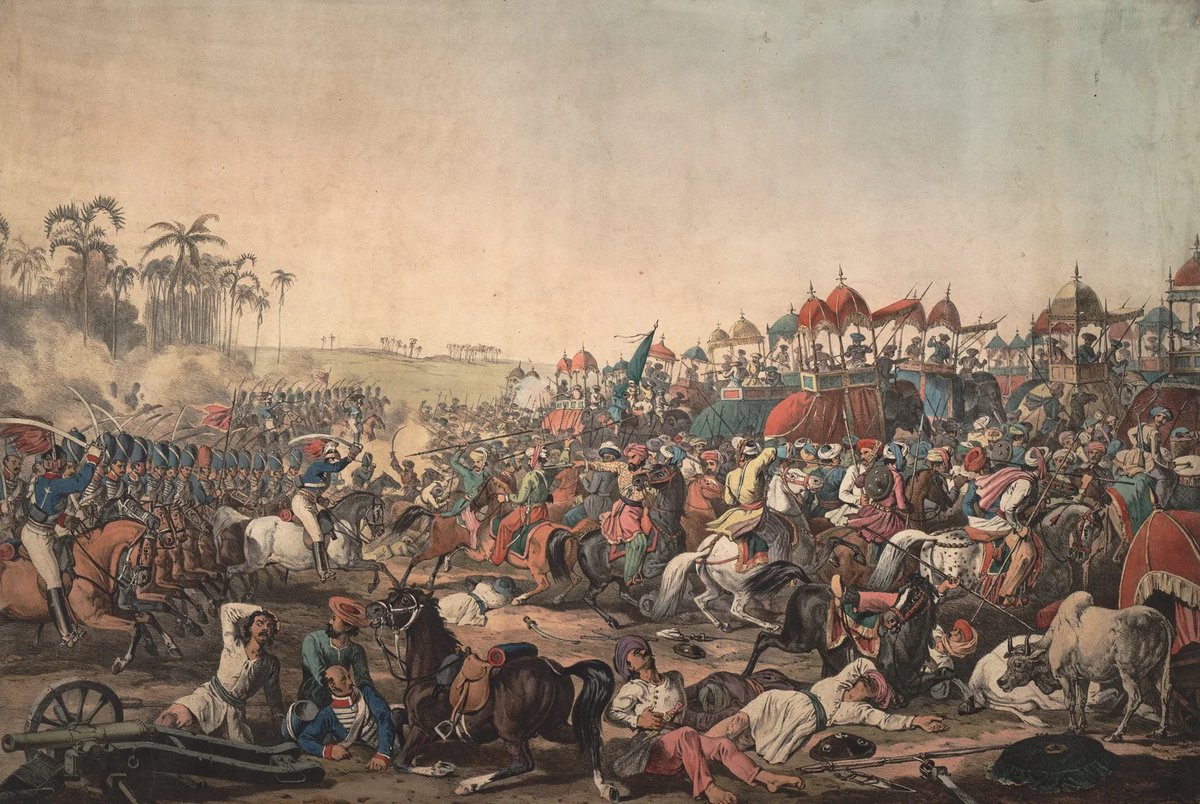
Our war correspondants have brought us all the most relevant worrying news about the wars in the Indian subcontinent. Just today, it seems that a peace treaty has finally been reached and signed between the British Empire and the Maratha's Empire, although the terms are quite unfavourable to the Maratha's Empire, the loser of the war.
But, before explaining and detailing the contents of the peace treaty, let's better start from the beginning, why and when did the war start?
To answer the "why", the reasons are the continuation of the previous 1834 war between the British Empire and the Marathas as previously reported, British consideration of the Maratha's as savages and British desires for "considerably more ambitious" land gains.
To answer the "when", the war started on April 18th 1939, when the British Empire oficially anounced a formal war declaration against the Maratha's Empire.
On the attacker side were the British Empire and the East India Company and their vassals, and on the defender side were the Maratha's Empire and its vassals.
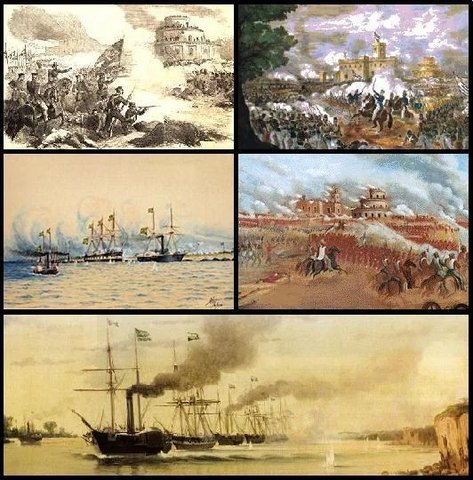
The first battle of the war started on April 28th 1839, in Bombay, and was commonly called as the 1st Battle of Bombay. The 1st Battle of Bombay ended on June 1st, with a clear British victory.
This battle was soon to be followed by the 1st Battle of Bundelkhand on July 25th 1839, and it ended in late August with another British Victory.
The victory at the 1st Batttle of Bundelkhand allowed the British to launch a 2nd Battle of Bundelkhand on August 30th 1839, which ended in another resounding victory for the British Empire on September 17th.
This arrays of victories allowed the British to launch a 2nd Battle of Bombay on September 14th 1839 and a 3rd Battle of Bundelkhand on September 26th.
The 2nd Battle of Bombay ended in another British victory on October, which was followed by the start of the 1st Battle of Agra on October 7th 1839, which ended on early November in a British victory. On October 9th, the 3rd Battle of Bundelkhand ended on a resounding and significant British victory.
All of these British victories made possible the start of the 2nd Battle of Agra on November 16th 1839, which ended on other British victory on December 9th, and which led to the start of the 1st Battle of the Central Provinces (on December 7th), way too deep into Maratha's territory, which massively raised Maratha's concerns about the chances of a victory in the future of the war. The 1st Battle of the Central Provinces ended on December 20th with an overwhelming British victory.
On December 27th, the 3rd Battle of Agra started and it ended at the start of the year on January 4th 1840 with another British victory. This also led to the start of the 4th Battle of Bundelkhand on January 30th, which ended on February 12th in a British victory, and led to a follow-up military operation known as the 5th Battle of Bundelkhand.
On February 14th 1840, the 3rd Battle of Bombay ended with a resounding British victory, and it was soon to be folloed by the start of the 4th Battle of Bombay in early March, which ended on March 17th with a British victory. On March 20th, the 5th Battle of Bundelkhand ended with a significant British victory, and the Marathas started to demoralize after each of their last defenses lines were ceding ground to the British enemy.
On April 4th 1840, the 1st Battle of Bhopal started; it was a quick battle that ended on April 21st with another British victory. Next day, on April 22nd, the Battle of Dhundar ended with another British success, and the Marathas were in a critically bad scenario, in which seemed to be a complete collapse of their defensive lines.
Last but not least, on April 30th, the 2nd Battle of Bhopal -the last battle of the war- started, and it ended on May 15th with a and with Maratha's capitulation.
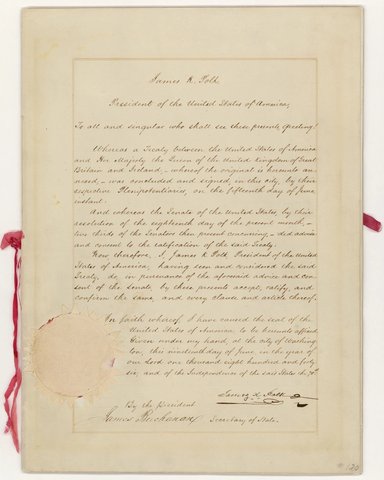
Finally, on May 15th of 1840 the war officially ended -the war lasted 16 months- with a complete British victory over the Maratha's Empire. The terms of the peace treaty were as it follows:
The British Empire and the EIC get the following provinces: "Return" Indian Bundelkhand, Central Provinces, Indian Hyderabad, and conquer Bombay.
Dear readers, it seems that the 5th Anglo-Maratha war is finally over, and a peace -or a lull between wars- has finally arrived at the Indian subcontinent, but the question everyone at the Indian subcontinent is asking is: for how long will peace last?







































 Mysore