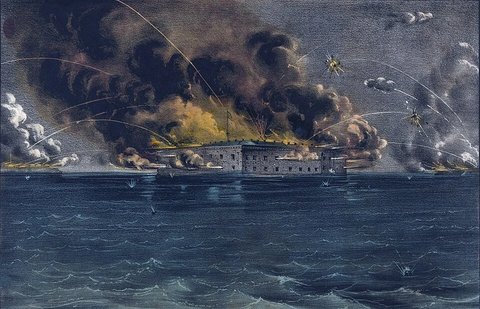
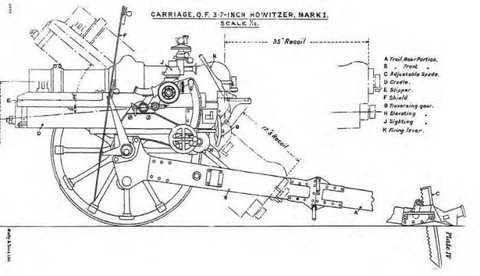
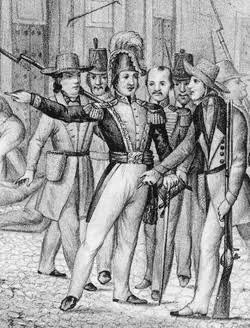
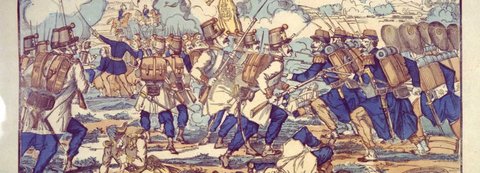
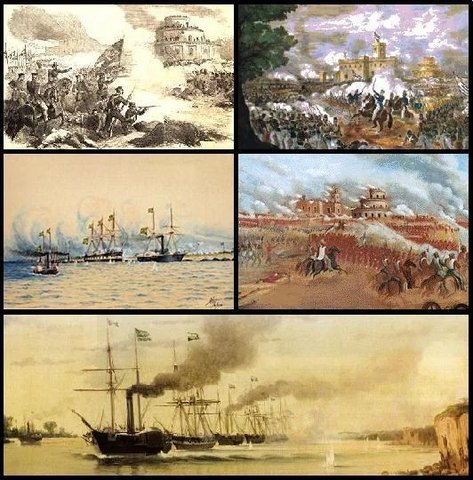
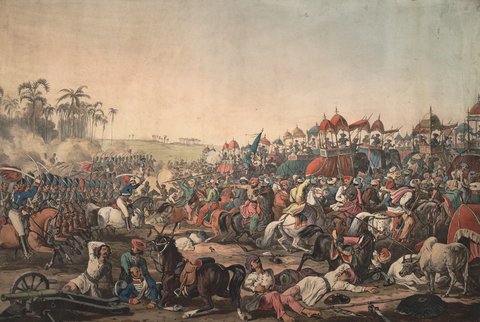
In 1831, a group of lost Baltic soldiers joined a main Russian contingent in campaigning against polish insurgents, eventually leading to a special battle on an open field near Zagaje. Due to the huge amount of troops on both sides, the cannons fired for hours upon hours. Some of these cannonshots missed their target and hit exposed sandstone, revealing for the first time some meager coal deposits but more interestingly some fossilised bones!
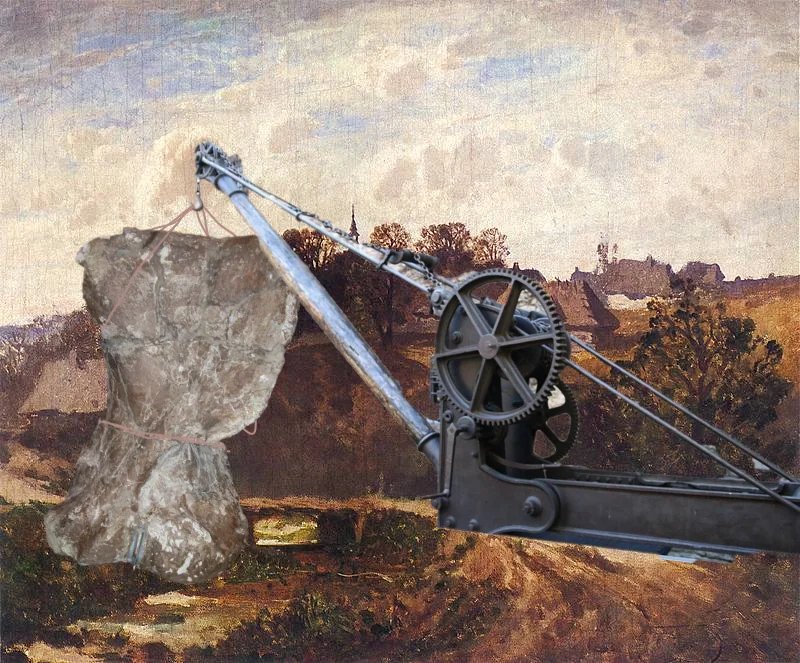
Having to get back to Riga anyways, the Baltic soldiers stayed behind and quartered at the nearest village. The group commander was so fascinated by the exposed bones upon the formation that he saw to the mining of the rock surrounding them. It was eventually clear that they had just uncovered a massive bone, it was a half dozen palms in length and its shape made guessing what it was anyones guess. But it looked shiny so the soldiers figured it might make them rich.
Improvising some pulleys, and a large cart, they eventually got the huge bone moving. Along with some smaller bones and quality equipment looted off the battlefield, they travelled a long distance back to Riga, having to deviate and take the long way around to avoid any polish insurgents.
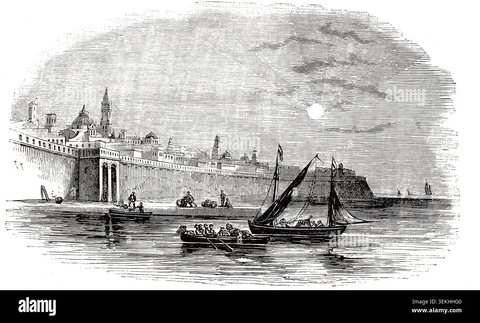
Upon arriving at Riga, which had at the time finished weathering the Siege of Riga, some learned scientists confirmed that the colossal fossil was indeed bone, clearly part of the spinal column of a ten fathom tall ancient giant human.
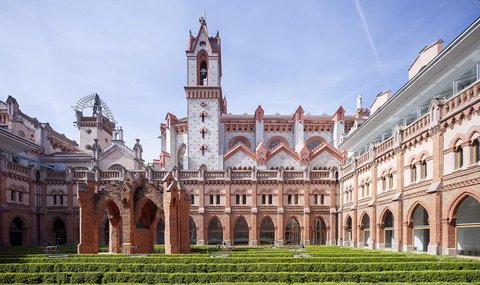
A local noble was impressed enough by it to pay for and sponsor the construction of an exhibit for the collection of bones. Governor-General Pahlen didn't really care about it, he allowed the project to go ahead.
By the time the exhibit opened in 1835, Sir Richard Owen was made aware of the exhibit through a colleague, and especially of the crowning massive bone of which he has a drawn diagram of with rough measurements. Absolutely fascinated by the alleged size, some Palaeontological colleagues of Sir Owen decided to go see it for themselves, finally embarking in 1836.
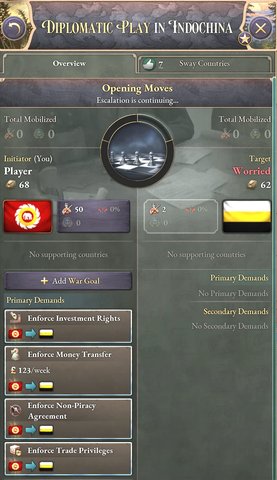
Unfortunately for these few British men of science, they had picked about the worst time to go to Russia, as London inflamed tensions with Russia by announcing an embargo. The men were not aware of this as the announcement was made after they had already gone to sea. And either way, the men were not politicians, nor were they even really going to Russia, in their mind they were going to the much more refined East German state of the Baltics.
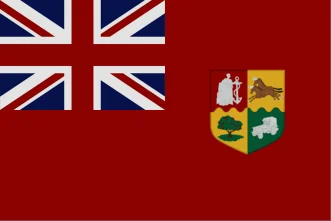
By the time they disembarked, Russia had already retaliated against Great Britain by making the embargo mutual, and the Baltic ports, being part of the Russian market, were informed of this. The ship of these scientists, bearing the union jack, was immediately descended upon by port guards and the men arrested. The men were informed by a local authority that there was an embargo in place, nothing British will come into the ports of the Russian Empire: Not goods, not people, not anything!
The men were thrown into jail, and in a few days word had reached London of the news that several British Scientists were langushing in a Livonian jail. They are still very much in jail, the Baltic authorities are being very gracious in not throwing these men into the sea, since these men are illegal British product and have no businuess being within the Russian Market.
Regardless, the exhibition, formally named the Zagaje Formation Exhibit, is quite popular among people allowed to be there. Nowhere else in the world will you find such a massive bone, not even in Britain!
The bones, on display for all to see, are impressing themselves on the newer generation of potential Baltic scientists... potential explorers ready to be fascinated with uncovering fossils...