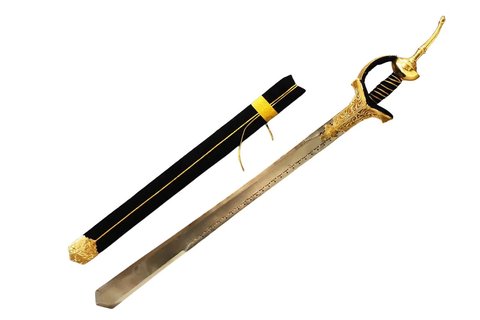
The campaigns of Khorasan, Herat and Merv would be remembered in Persia as the moment when the Nezam-e Jadid, the New Order, ceased to be an experiment and became the sword by which the authority of the Shahanshah was restored in the east.
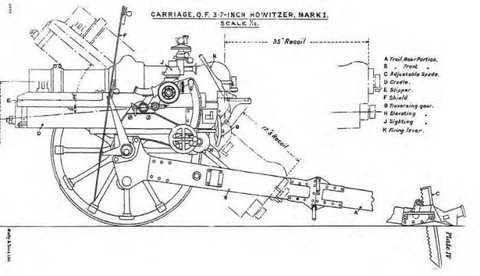
When Crown Prince Abbās Mīrzā Qājār entered Khorasan in August 1830, he brought 15,000 soldiers drilled according to the new European methods introduced after the Treaty of Shiraz. British muskets, improved artillery and disciplined formations gave the Royal Army advantages that the rebels of Khorasan had never encountered.
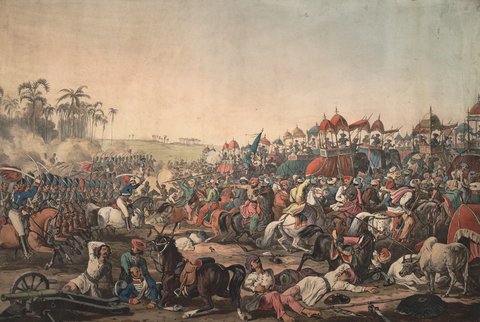
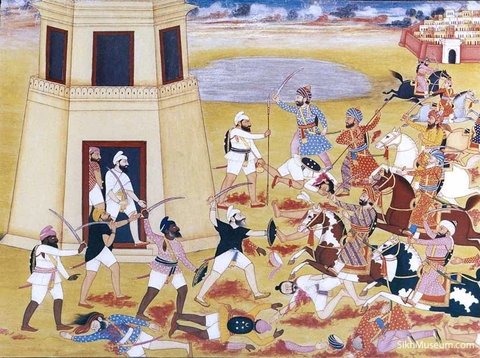
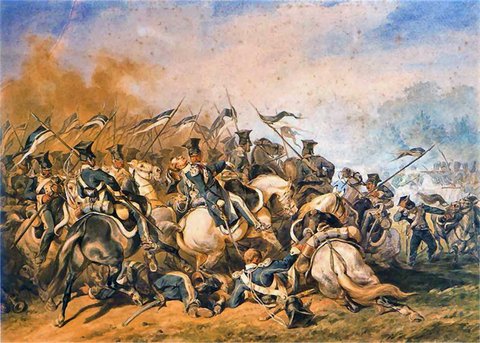
At Torbat-e Heydarieh, several thousand insurgents attempted to overwhelm the Persian line with a sudden cavalry assault. Abbās Mīrzā ordered his infantry into squares, which met repeated charges with controlled volleys before cannon-fire broke the surviving horsemen. Months later, near Bojnord, bandit forces fortified amongst the hills were driven from their positions after Persian artillery opened the road for a disciplined infantry advance. By March 1831, Khorasan again acknowledged the authority of Tehran.
The Crown Prince thereafter turned his attention towards Herat.
Abbās Mīrzā demanded that Kamran Shah acknowledge Qājār sovereignty by sikka va khuṭba, coin and sermon in the Shahanshah's name, payment of taxation, and hostages guaranteeing his obedience. Kamran refused. Captured by Persian agents and subjected to force, he eventually submitted, paid ransom and returned to Herat, only to repudiate his promises. Instead he sent 5,000 cattle to the Crown Prince with a challenge: if Persia desired more, it should come and take it.
Persia answered.
In March 1832, Mohammad Mīrzā, eldest son of Abbās Mīrzā, marched westwards from Khorasan at the head of 30,000 men, including 15,000 soldiers of the Nezam-e Jadid. The first obstacle was the fortress of Ghourian, defended by 2,000 men. Persian batteries maintained a deliberate bombardment until July, when breaches were opened and the infantry stormed the works. Most defenders were killed or captured; the surviving prisoners were enslaved.
Mohammad then advanced upon Herat itself.
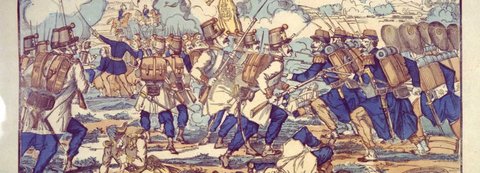
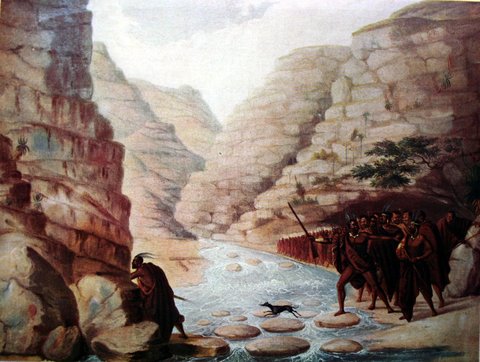
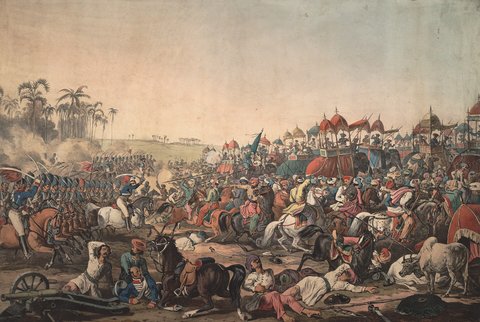
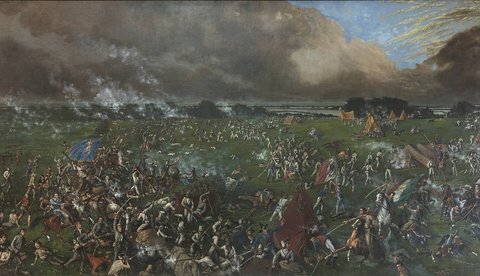
By September, 25,000 Persians surrounded the city. Kamran's Turkmen and Uzbek allies repeatedly descended upon the Persian rear, expecting to scatter the besiegers by the speed of their cavalry. Instead they encountered infantry squares, massed musketry and field artillery. Horsemen who had terrorised Khorasan for generations broke against walls of bayonets and smoke.
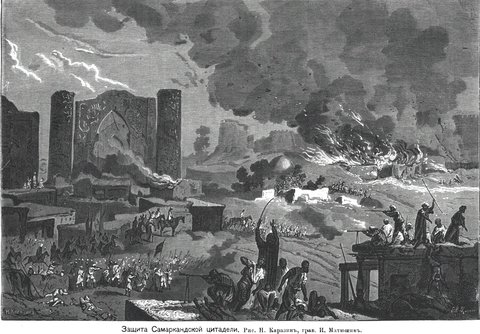
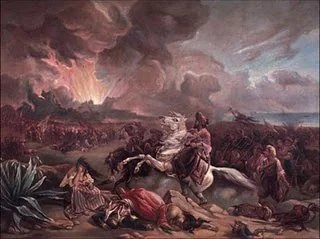
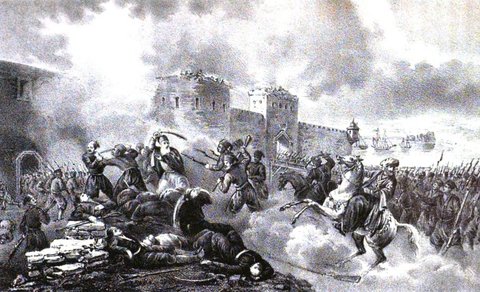
In November came rumours that Kamran had fled. Mohammad ordered the bombardment intensified. The walls were breached, Persian troops entered Herat, and after bitter fighting the city was sacked. Kamran escaped eastwards with scarcely a thousand followers.
Mohammad reported triumphantly to Tehran that Herat once again belonged to the Shahanshah.
He wintered there before marching north in March 1833 with 20,000 men. His destination was Merv, the ancient Persian city whose ruins remained a symbol of the lost glories of Khorasan.
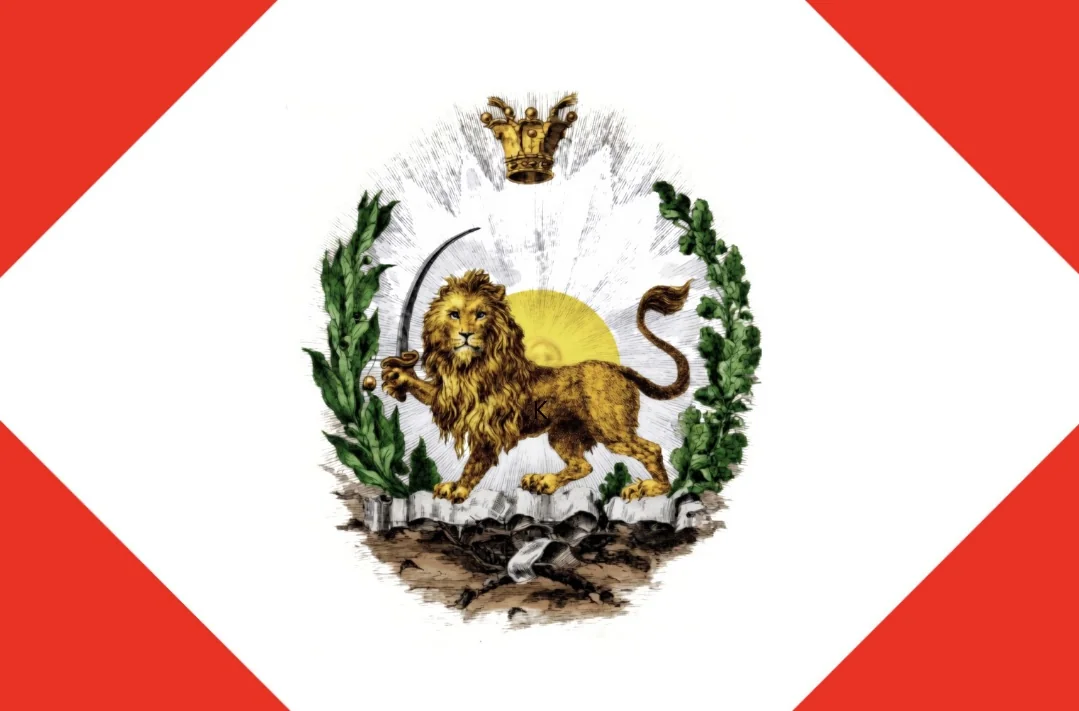
There, some 25,000 Turkmen and Uzbek warriors assembled against him. At the Battle of Merv, tribal cavalry attempted to envelop the Persian army, only to be shattered by disciplined volleys and grapeshot. Mohammad then unleashed his cavalry against their disordered ranks. Before sunset, the confederation had broken and the Lion and Sun standard flew above the ruins. Mohammad swore that Merv, which had once rivalled Baghdad, would rise again under Persian protection.
News now arrived that Abbās Mīrzā was gravely ill. Mohammad nevertheless resolved to secure the northern frontier before returning home.
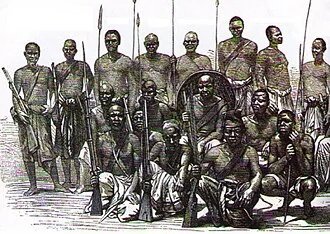
Persian columns advanced towards Askhabad and Kyzyl-Rabat, burning crops and raiding settlements to compel the Turkmen to offer battle. Persian captives held by the tribes were liberated, while families belonging to hostile warriors were themselves taken captive. When the tribal armies finally assembled, they were again broken by artillery and concentrated musket-fire.
Askhabad resisted. Its walls were breached in June and the town taken by storm and sacked.
Kyzyl-Rabat chose another course. In July its inhabitants opened their gates and submitted to Mohammad Mīrzā. The Prince forbade the killing of its women and children and restrained his soldiers from sacking the town, although half the adult men were taken into captivity as punishment for the tribes' previous resistance.
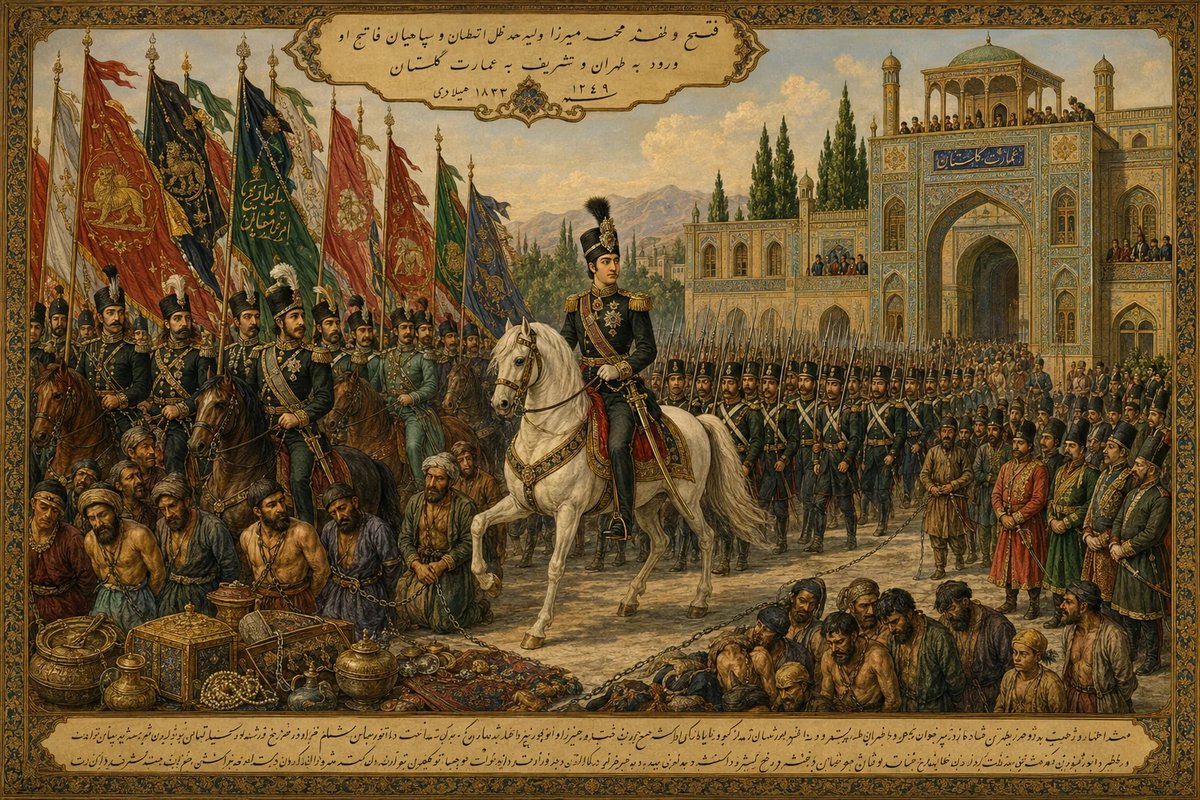
In October 1833, Mohammad returned to Tehran.
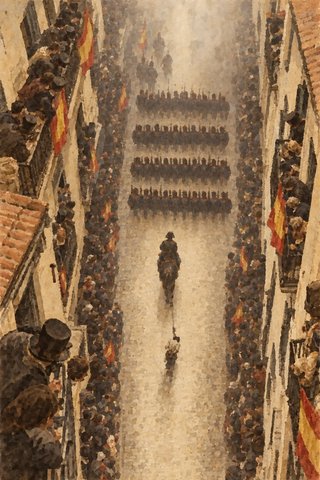
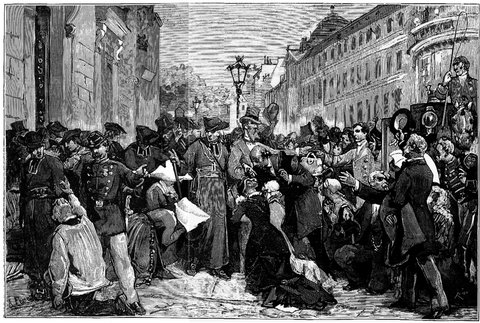
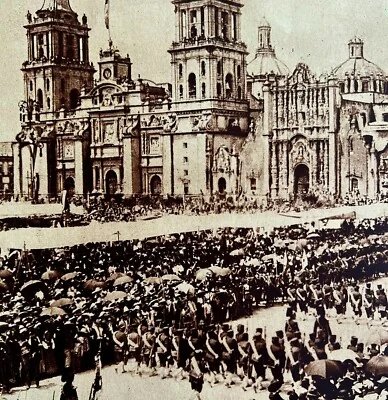
Before him were carried captured standards; behind him marched the victorious sarbāz of the New Order and a vast column of prisoners. Crowds filled the streets as the army passed towards the palace of Fath-Ali Shah. Herat had fallen. Merv had been reclaimed. Persian authority had been carried deep into the Turkmen lands.
Yet triumph was followed almost immediately by mourning.
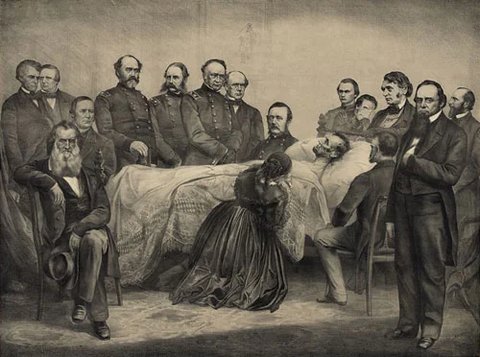
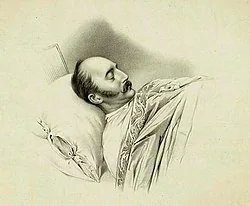
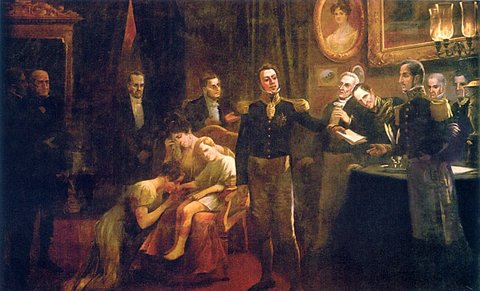
Mohammad reached his father's bedside shortly before Abbās Mīrzā died of tuberculosis on 25 October 1833. The great reforming Prince, who had rebuilt Persia's army and sent his son eastwards to restore the ancient frontiers, gave his final words to Mohammad: pride in his firstborn son and what he had accomplished.
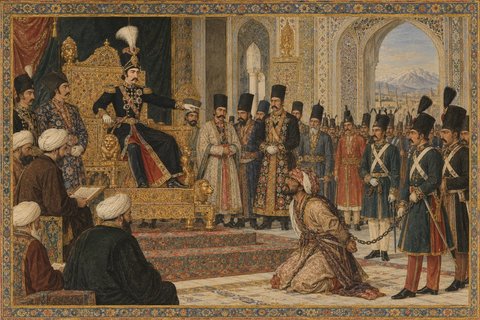
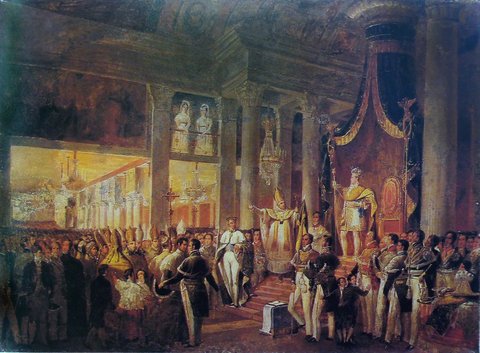
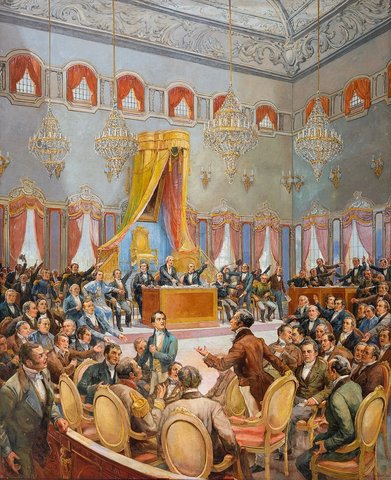
On 13 November 1833, the first day of Rajab, where the night of prayer was called the Night of Wishes, Fath-Ali Shah summoned the Court.
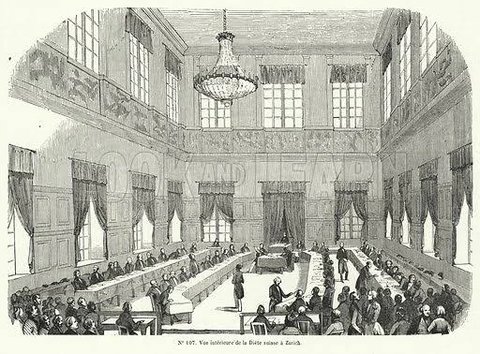
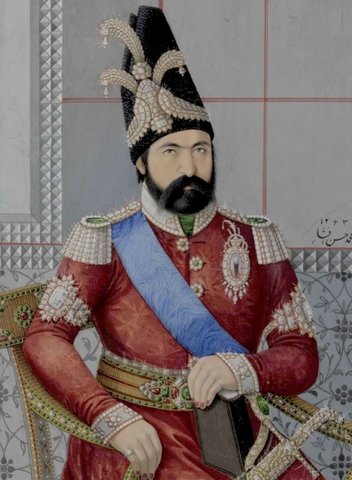
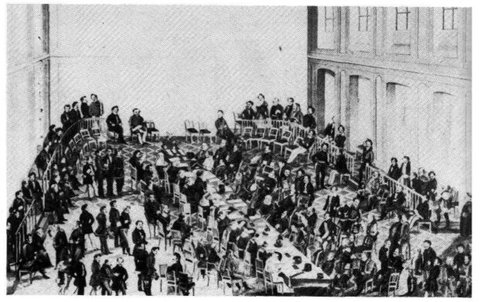
Before the princes, ministers, ulama and commanders of Persia, the Shahanshah proclaimed Mohammad Mīrzā Qājār Crown Prince, Heir to the Peacock Throne, and Commander of all the Armies of the Guarded Domains of Iran.
The son had returned from Herat and Merv as a conqueror.
He would leave Tehran again only as heir to Persia.