Tehran, October 1834 · The Shattered Congress
Tarikh-e No (New History), A History of the Qajar
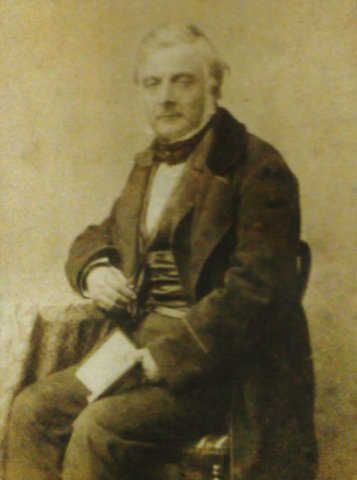
Jahangir Mirza Qajar, third son of Abbas Mirza, brother of the Shah
Middle East, Central Asia & South Asia
 Persia
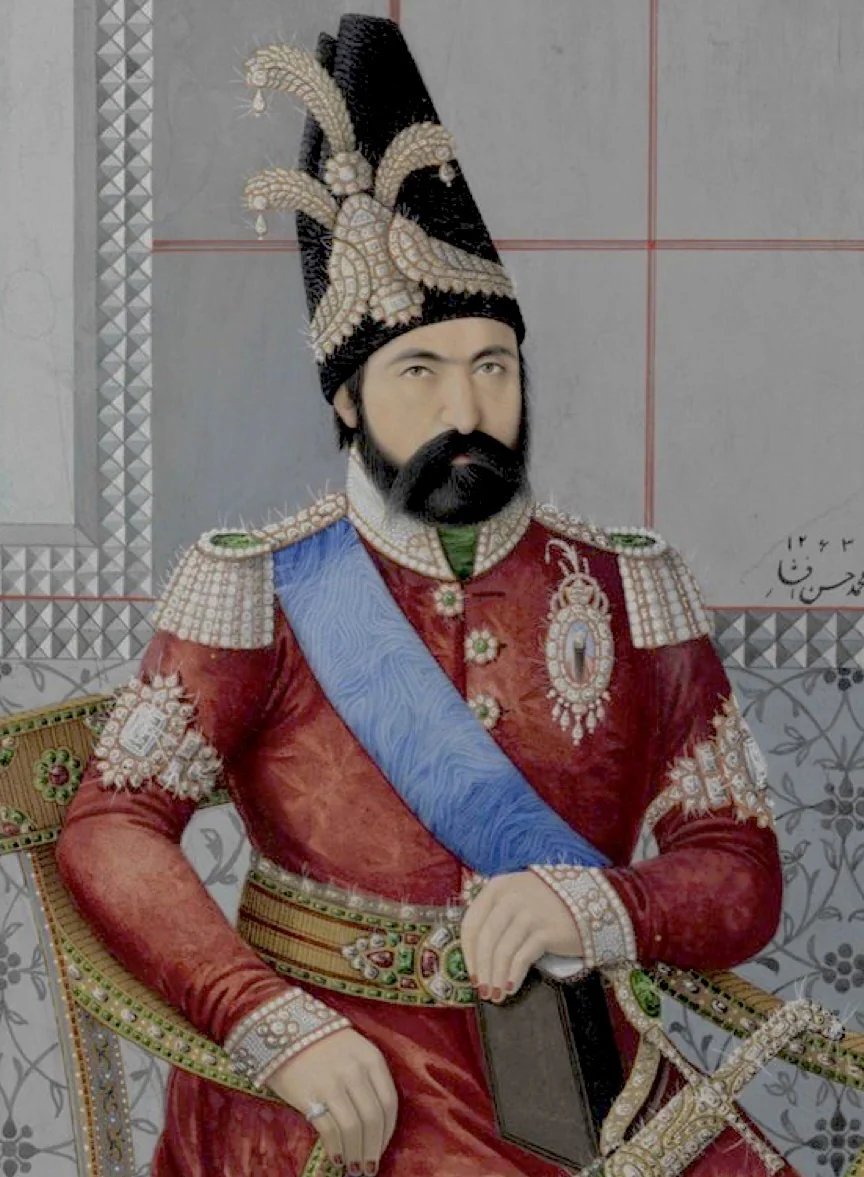
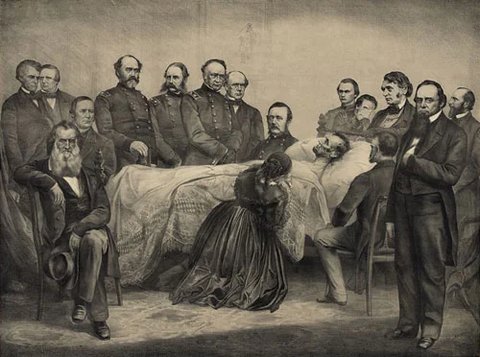
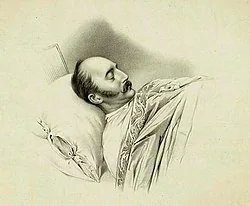
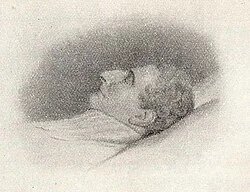
In the month of October 1834, sorrow descended upon the Guarded Domains of Iran. His Imperial Majesty Fath-Ali Shah Qajar, Shahanshah-e Iran, whose reign had endured for seven-and-thirty years, was afflicted by a sudden illness. Though the physicians of the Court attended constantly upon his person, his strength departed swiftly, and the sovereign entrusted his soul to Almighty God.
Thus passed our grandfather, who had inherited a throne endangered by disorder and had preserved the Qajar Crown through years of war and uncertainty. The mosques offered prayers for his soul, while mourning was proclaimed throughout Tehran and the provinces.
Yet Iran could not remain without its Shahanshah.
By the decree issued by Fath-Ali Shah upon the Night of Wishes in the previous year, my elder brother, Mohammad Mirza, had already been proclaimed Crown Prince and Commander of the Royal Armies. His right of succession rested also upon the honoured memory of our father, the late Abbās Mīrzā, whose labours had created the Nezam-e Jadid and restored the strength of Iran.
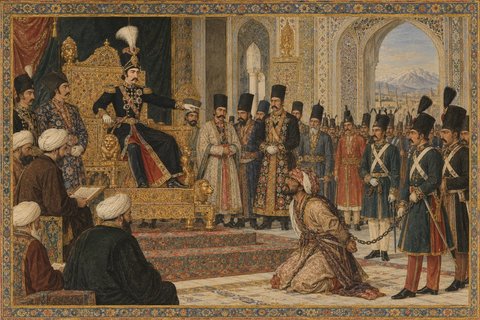
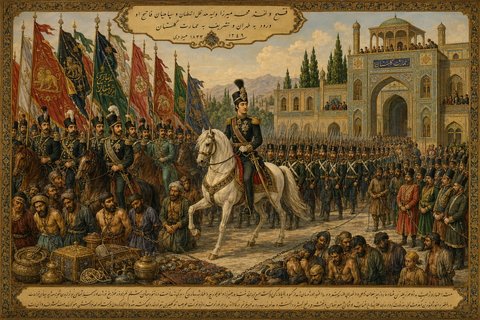
The princes of the Royal House, the ministers of the Divan, the commanders of the army and the learned ulama therefore recognised Mohammad Mirza as sovereign.
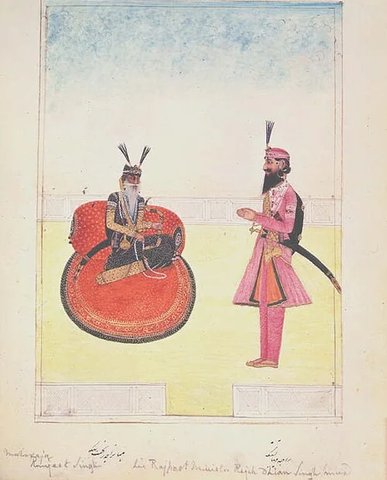
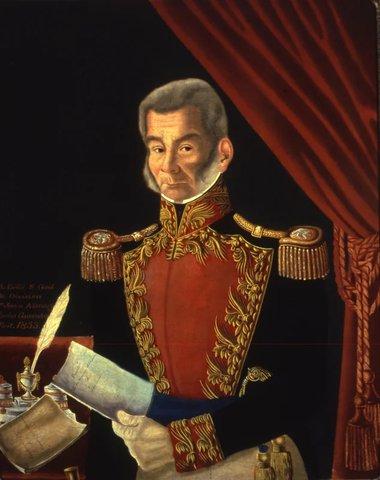
He ascended the Peacock Throne as Mohammad Shah Qajar, third ruler of our dynasty.
The soldiers who had followed him through Ghourian, Herat and Merv now stood guard in Tehran. Their presence ensured tranquillity whilst messengers carried news of the accession throughout the Guarded Domains. From Khorasan to Azerbaijan, governors received the command that the khuṭba should be pronounced and the sikka struck in the name of the new Shah.
I saw my brother upon the throne that day. He was not yet thirty, but war had already given gravity to his countenance.
The work begun by our father had passed into his hands. Iran had gained a new Shah, and Mohammad Shah intended that the restoration of its strength should not cease with his accession.